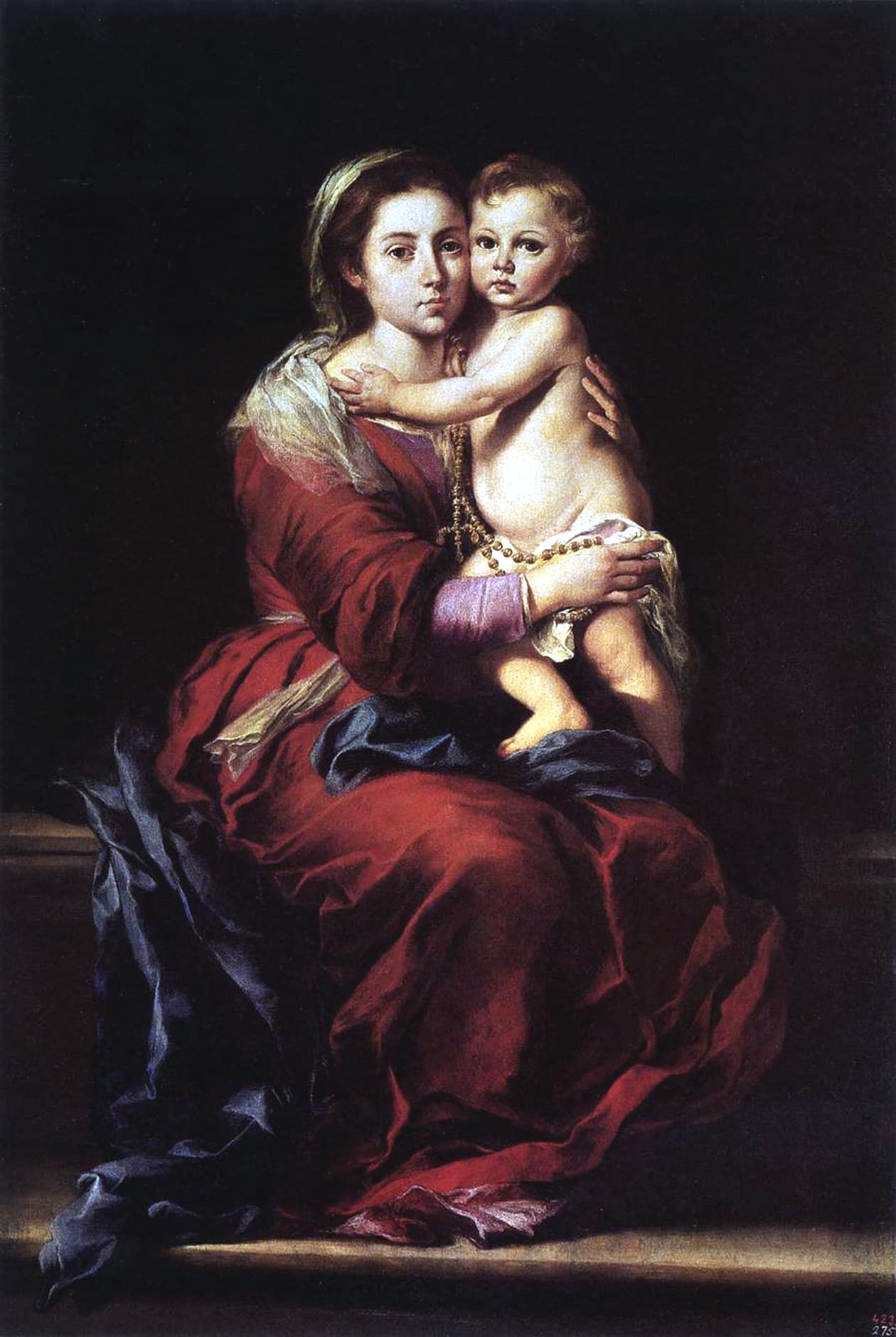
October is called the month of the Rosary because the Church celebrates Our Lady of the Rosary on October 7, and popes have encouraged Catholics to give this prayer particular attention throughout the month. The invitation is to spend time contemplating Jesus with Mary, rather than simply adding more prayers to an already crowded calendar.
If you have rosary beads in a drawer but struggle to use them, October offers a natural starting point. You can learn the history behind the devotion, mark October 7, and choose a prayer routine that fits your household. The aim is a more attentive relationship with Christ, not a perfect record of completed decades.
Why October became associated with the Rosary
The October 7 observance has a historical connection to the Battle of Lepanto, fought on that date in 1571. Pope Pius V asked Christians to pray the Rosary during the conflict. Following the Holy League's victory, he established a celebration of Our Lady of Victories in 1572; his successor, Gregory XIII, changed its name to Our Lady of the Rosary. Vatican News describes this connection.
Catholic tradition interpreted the victory as an answer to prayer through Mary's intercession. That religious interpretation should be distinguished from the historical fact of a naval battle. The memorial today offers an occasion to contemplate Christ; it does not require us to turn a sixteenth-century conflict into a model for our relationships with others.
Papal encouragement helped strengthen the association with the entire month. In his September 1, 1883 encyclical Supremi Apostolatus Officio, Pope Leo XIII urged private and family prayer and prescribed special Rosary observances for October of that year. This is a documented example of a pope promoting October Rosary prayer, not evidence that the Rosary itself began in 1883.
What Catholics celebrate on October 7
In 2026, October 7 falls on a Wednesday. The USCCB's calendar identifies the day as the Memorial of Our Lady of the Rosary. Catholics sometimes call it a feast in everyday conversation, but memorial is its rank on the calendar used in the United States. Our explanation of solemnities, feasts, and memorials can help you understand the distinction.
Check your parish's actual October schedule. If it offers a communal Rosary, consider joining, especially if you are unsure of the prayers. If you pray at home, you might set aside time on October 7 to name an intention for your family, parish, or people suffering from conflict.
Why the Rosary leads us toward Jesus
The Rosary combines repeated prayers with meditation on mysteries of Christ's life. In Rosarium Virginis Mariae, Saint John Paul II explains its Christ-centered character and its relationship to the Church's liturgy. Rosary prayer supports that liturgical life; it does not replace it.
He also recommends announcing a mystery, listening to a related Scripture passage, and allowing silence before continuing. Those pauses can help when the words move faster than your attention. His treatment of peace and family life connects contemplation with concern for others, rather than withdrawal from their needs.
For example, before beginning a decade, identify the event you are contemplating. Picture the people involved and ask what you notice about Jesus. When your attention wanders, return to that event without treating distraction as a verdict on your prayer.
A manageable October Rosary plan
Start by choosing a dependable moment: after breakfast, before bedtime, or during a quiet break. Put the beads and a prayer guide where you will use them. A routine attached to something you already do is easier to remember than a vague intention to pray sometime tomorrow.
Begin with one decade if you need to
A decade focuses on one mystery and includes an Our Father, ten Hail Marys, and a Glory Be. The usual five-decade Rosary includes five mysteries and opening and closing prayers. Praying one decade is a smaller portion of that prayer, rather than the full five-decade form. The USCCB's Rosary guide gives the sequence and the prayers.
Choose a realistic starting commitment for the first week. If five decades feel manageable, pray them. If they do not, begin with one decade at your chosen time and review the routine after a week. You can also use our beginner's explanation of the Rosary to become familiar with it.
Follow the mysteries without making the schedule a burden
The customary weekly pattern uses the Joyful Mysteries on Mondays and Saturdays, the Sorrowful on Tuesdays and Fridays, the Glorious on Wednesdays and Sundays outside Advent and Lent, and the Luminous on Thursdays. These sets provide a way to contemplate different events throughout the week. The USCCB guide above includes their names and Scripture references.
For the second week, try reading a referenced passage before prayer. Read it from the Bible rather than guessing its wording from memory. Let one detail guide your meditation. You do not need a new insight during every decade.
Give children a concrete way to participate
For a family prayer time, let one person announce the mystery and another name the intention. Younger children might hold the beads or listen while an adult leads. Explain one event in simple language before beginning, and choose a length that lets everyone participate without rushing.
During the third week, ask each family member which part is understandable and which needs explanation. Adapt your teaching to those answers. Prayer together can include learning together; you do not need to pretend everyone already knows the words.
Let prayer shape a practical response
In the final week, review your intentions and choose one concrete act of care. If you prayed for someone who is lonely, contact them. If you prayed for a strained relationship, consider a patient conversation. These actions are not a payment for an answered prayer. They are opportunities to respond to the needs you have brought before God.
At the end of October, keep the part of the routine that helped you pray attentively. Missing a day is a reason to begin again, not to abandon the month. A modest practice you can continue may serve you better than a plan you cannot sustain.
An original prayer for beginning October
This is an original prayer: Lord Jesus, help me make room for you this month. Teach me to listen, to pray with patience, and to care for the people I remember in prayer. Mary, pray for me as I learn to contemplate your Son. Amen.