What did Saint Ignatius of Antioch believe about the Eucharist? His letters connect it with the real humanity of Jesus, the unity of the Church, and hope for eternal life. Reading a few short passages in context makes that connection easier to understand than collecting isolated quotations.
This guide offers a starting point for a parish discussion, Confirmation lesson, or quiet evening of reading. Keep the complete letters open as you go; the surrounding paragraphs matter.
Meet the bishop behind the letters
Saint Ignatius of Antioch was an early bishop and martyr. In his 2007 teaching on Ignatius, Benedict XVI describes a prisoner traveling under military guard from Syria toward Rome. Along that journey, Ignatius wrote seven letters to Christian communities and to Polycarp.
That setting helps explain their urgency. These are pastoral messages written in danger, rather than a detached textbook. The writer wants communities to remain faithful and united after he is gone.
The USCCB's 2026 liturgical calendar lists his memorial on October 17 as Saint Ignatius of Antioch, Bishop and Martyr. That is the date used here for the U.S. Roman Catholic calendar; it should not be treated as a statement about every Christian calendar.
Smyrnaeans: start with the reality of Christ's body
Begin with chapters 1–3 and then chapter 7 of the Letter to the Smyrnaeans. Ignatius rejects the idea that Jesus only appeared to suffer. His Eucharistic language belongs within that defense of Christ's actual humanity, suffering, and resurrection.
In chapter 7, he describes opponents who avoid the Eucharist because they do not acknowledge it as the flesh of the Savior who suffered and was raised. The connection is direct: what a person believes about Jesus affects what that person believes about the Eucharist.
A useful reading question is: Which events in Jesus' life does Ignatius connect with this gift? Write the events down before trying to summarize the passage. That small step keeps the discussion anchored in his argument.
Read his strong language as part of an ancient dispute. Using a sentence to insult another Christian today would do little to help someone understand the letter.
Philadelphians: notice the repeated call to unity
Next, read chapter 4 of the Letter to the Philadelphians. Ignatius brings together the Eucharist, Christ's flesh, the cup, the altar, and the community gathered with its bishop, presbyters, and deacons.
His repeated emphasis on oneness makes the passage especially helpful for reading aloud. The Eucharist and the visible life of the Church belong together in his appeal.
Try reading the paragraph twice. During the first reading, notice its sacramental language. During the second, notice the people and relationships. A discussion can then ask how both kinds of language contribute to the same appeal.
For a present-day application, consider one way to contribute to parish life: welcome someone attending alone, help with a shared task, or speak more fairly about a person whose preferences differ from yours. These are suggested exercises for the reader, not instructions quoted from Ignatius or a complete account of Church unity.
Ephesians: understand the medicine image
In chapter 20 of the Letter to the Ephesians, Ignatius calls the shared bread the “medicine of immortality.” Those three words refer to life forever in Jesus Christ. They do not promise that receiving Communion will prevent physical illness or remove ordinary human suffering.
Notice the surrounding references to Christ's suffering and resurrection, common faith, and an undivided community. Keeping them in view prevents the memorable phrase from becoming a slogan detached from the rest of the paragraph.
This is Ignatius' letter to the Christians at Ephesus. It is distinct from the New Testament Letter to the Ephesians associated with Saint Paul. When making notes, include the author's name and chapter number so that someone else can find the correct text.
For a group, invite each person to name one surrounding detail they would include when explaining the medicine image. Allow time for questions rather than expecting everyone to arrive with the same familiarity.
Read with both historical care and charity
Ignatius gives Catholics an early witness to Eucharistic belief. His letters should be read in their own vocabulary and circumstances, without expecting every later theological explanation to appear in them.
Benedict XVI's audience is a useful companion because it draws together Ignatius' concern for Christ and for ecclesial communion. For an introduction to the Eucharist within Catholic sacramental life today, see our guide to the seven sacraments.
There is also an ethical challenge within the letters. In Smyrnaeans 6, Ignatius criticizes neglect of vulnerable people, including those who are hungry and oppressed. A practical response might be to pair this reading with a food-pantry donation or a visit to someone who is isolated. Those actions are original suggestions for reflection.
A simple plan for a first reading
Set aside fifteen or twenty minutes and choose one passage, rather than trying to finish all seven letters. Read the full chapter slowly, note an unfamiliar word, and write one question to bring to a priest, catechist, or study group.
The linked English texts use an older translation published in the 1885 Ante-Nicene Fathers collection. Their wording can feel unfamiliar. Read a difficult sentence a second time before deciding what it means, and distinguish Ignatius' text from a website's chapter headings or editorial notes.
Close by identifying one thing you learned and one thing that still needs explanation. You can return to another letter on October 17. A careful first encounter with this saint's writing can begin with a single paragraph, an honest question, and a willingness to keep reading.
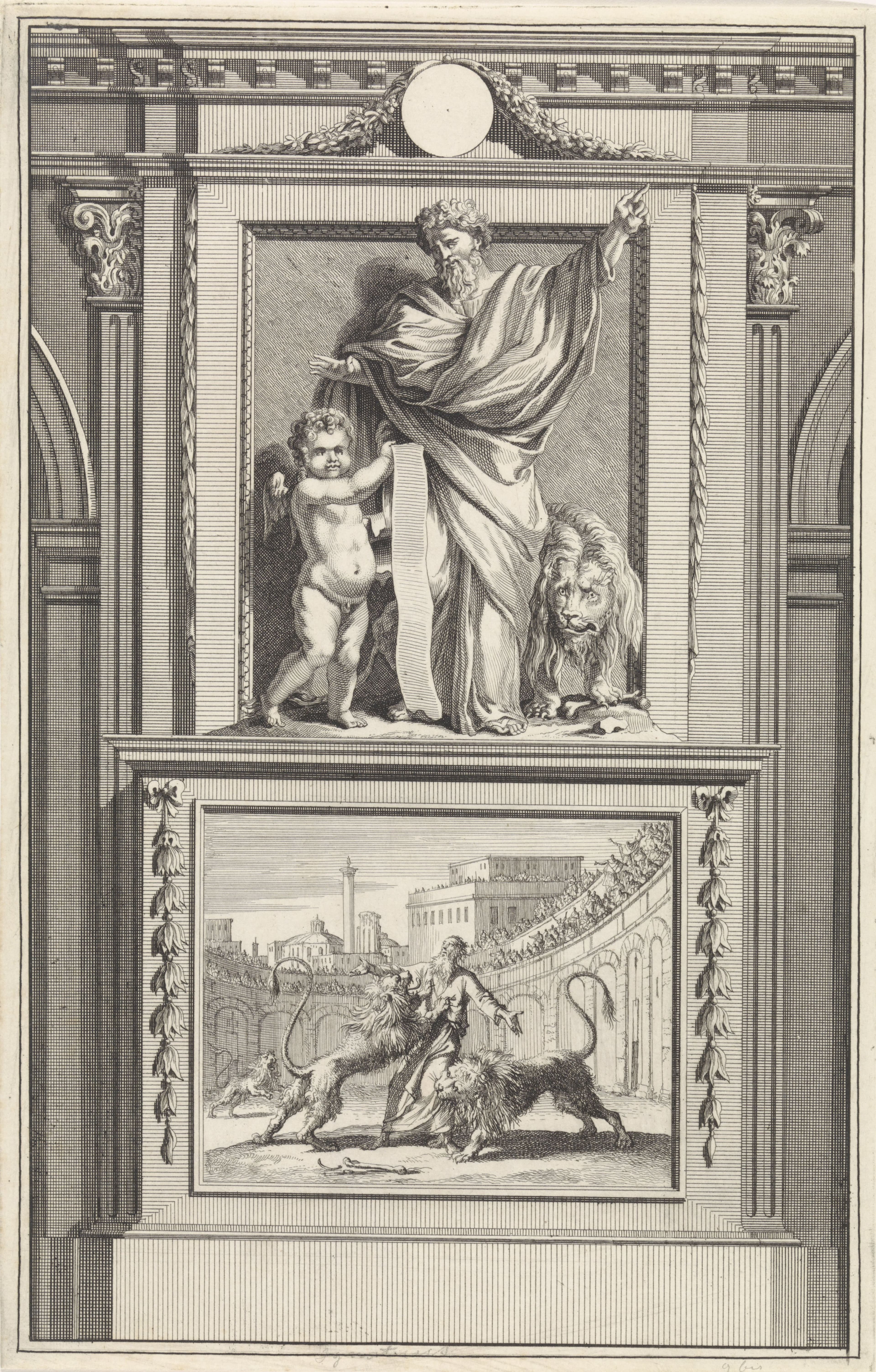
Artwork: This 1698 print is a later representation of the saint. See the Rijksmuseum catalogue and public-domain notice and the Wikimedia Commons image and CC0 record.
