Updated September 26, 2026
Reports of a possible new Eucharistic miracle in the USA need clarification. Father Brent Bowman describes the Hopkins, Minnesota, event as a private spiritual experience, not a Eucharistic miracle. Read his September 16 statement on the archdiocese's website.
The distinction matters. A moving moment at the altar can invite deeper faith without becoming evidence for a claim the priest himself has corrected.
What happened in Hopkins, Minnesota?
Bowman celebrated Mass at St. Gabriel's Catholic Church in Hopkins on September 14, 2026. He describes becoming overwhelmed during the consecration and temporarily unable to lift the chalice, with a deeper awareness of Christ's Passion. These details are his account of his experience. See his full statement.
Dave Hrbacek's reporting for The Catholic Spirit describes the priest weeping for more than a minute and explains that the Mass recording spread online. The report also records Bowman's concern about misinformation and his wish that people read his statement. Read the local Catholic newspaper's account.
Did the consecrated wine visibly turn into blood?
“Never did I see real blood or human flesh with my eyes,” Bowman writes. He says appearance and taste remained unchanged. Source: Father Bowman's clarification.
The National Catholic Register also reports that an early social-media post speculating about a possible miracle was corrected. Its coverage recounts parish pastor Father Paul Haverstock's explanation that Bowman had described an interior spiritual grace rather than an external change in appearance. Read the Register's September 16 coverage.
A video of someone crying or struggling to raise a chalice cannot, on its own, tell viewers what that person saw, understood, or experienced. In this case, the person in the video has supplied that missing context. It should travel with the footage whenever the story is shared.
How is this different from Catholic belief in the Real Presence?
Catholics believe that Christ is truly present in the Eucharist even when the consecrated elements continue to look and taste like bread and wine. The Church calls the change in their underlying reality transubstantiation. The ordinary sensory appearances remain. The USCCB's explanation of the Eucharist describes this distinction and why Catholic belief goes beyond treating Communion as merely symbolic.
Consequently, saying there was no visible change in Minnesota does not deny the Real Presence. The two statements address different questions: what the Church believes happens sacramentally at Mass, and whether an unusual observable event occurred during this particular celebration.
The Catechism, paragraphs 1374–1376, explains Christ's substantial presence and the Church's teaching about the consecration. A sensational image is not a condition for that belief. The Eucharist is already central to Catholic worship before any extraordinary story reaches a news feed.
Has the Church declared a new miracle in this case?
The official statement reviewed for this September 26 update is Bowman’s clarification of a private experience, not a declaration recognizing a new miracle.
Readers should also distinguish an archdiocese publishing a priest's statement from a formal judgment authenticating an extraordinary phenomenon. Those are different actions. Describing this case as a confirmed miracle, or implying that visible blood is awaiting scientific confirmation, would go beyond the evidence cited here.
What the available evidence can and cannot establish
The central source is the priest's own clarification, which addresses what he experienced and what he did not see. The recording can show his outward behavior. It cannot independently measure his interior awareness or supply evidence of a physical change that he explicitly denies reporting.
This leaves several questions distinct. Was he visibly moved? The public account describes that. Did he report an interior religious experience? Yes. Did he report seeing physical blood or flesh? No. Has the source linked here authenticated a new physical Eucharistic miracle? No. Keeping the questions separate avoids making the emotional intensity of a video answer a different factual question.
Bowman also cautions that such private experiences are not necessarily evidence of someone's holiness. That point belongs to his published statement, not to an assessment of his spiritual life by this website. There is no need to speculate about medical causes, personal motives, or a laboratory investigation that these sources do not establish.
How to correct a post you already shared
An original correction you can adapt is: “I shared this as a possible visible Eucharistic miracle. Father Bowman has clarified that he did not see physical blood or flesh. He describes a private spiritual experience. Here is his full statement.” Add the official link beside the correction so readers do not have to search for it.
Place the correction where the original audience will see it, such as an edit to your original post or a reply in the same conversation. Preserve the distinction even if you remain moved by his testimony. Our explanation of Eucharistic miracles describes the broader differences among sacramental belief, extraordinary claims, and Church discernment.
A thoughtful response to the story
There is room to be moved by the priest's testimony while being careful about what we repeat. Before sharing a dramatic religious headline, open its source, check the date, and look for a later clarification. If you shared the original claim, a simple correction with the official link helps other readers find the fuller account.
For personal reflection, consider letting the story lead to a quiet visit to church or more attentive participation at your next Mass. Read the Church's explanation of the Eucharist, bring questions to your parish priest or OCIA catechist, and take a few minutes for thanksgiving. An emotional experience can prompt prayer; it need not become something we expect to reproduce.
If you want a practical place to begin, try our simple daily prayer routine. You can also explore the life of Saint Thomas Aquinas as you continue learning about Catholic faith.
Sources and artwork
This article draws on Father Bowman's statement, local reporting from The Catholic Spirit, the National Catholic Register's correction coverage, and the Church's teaching linked above. It is a sourced explanation, not eyewitness reporting by Saint Discovery.
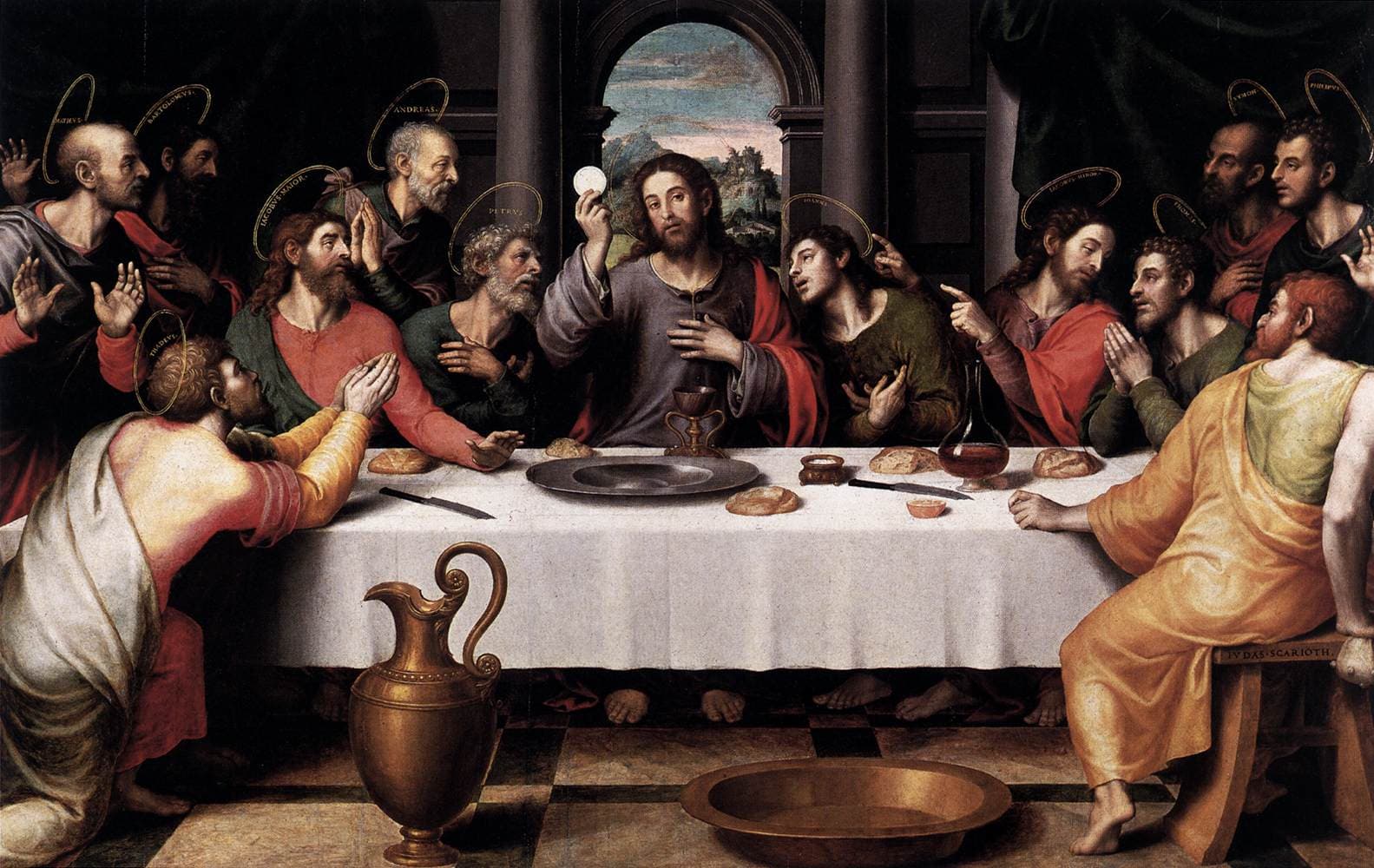
The cover is The Last Supper by Juan de Juanes, a public-domain artwork reproduced through Wikimedia Commons. It illustrates the article's Eucharistic theme and does not depict the Minnesota Mass.
