Catholic saint biography
St. Matthias the Apostle
- Commemoration:
- May 14
- Lived:
- First century — Judea
Current Roman feast; older Western calendars used February 24.
Why dates and liturgical observances can differ
Read the sources for this biography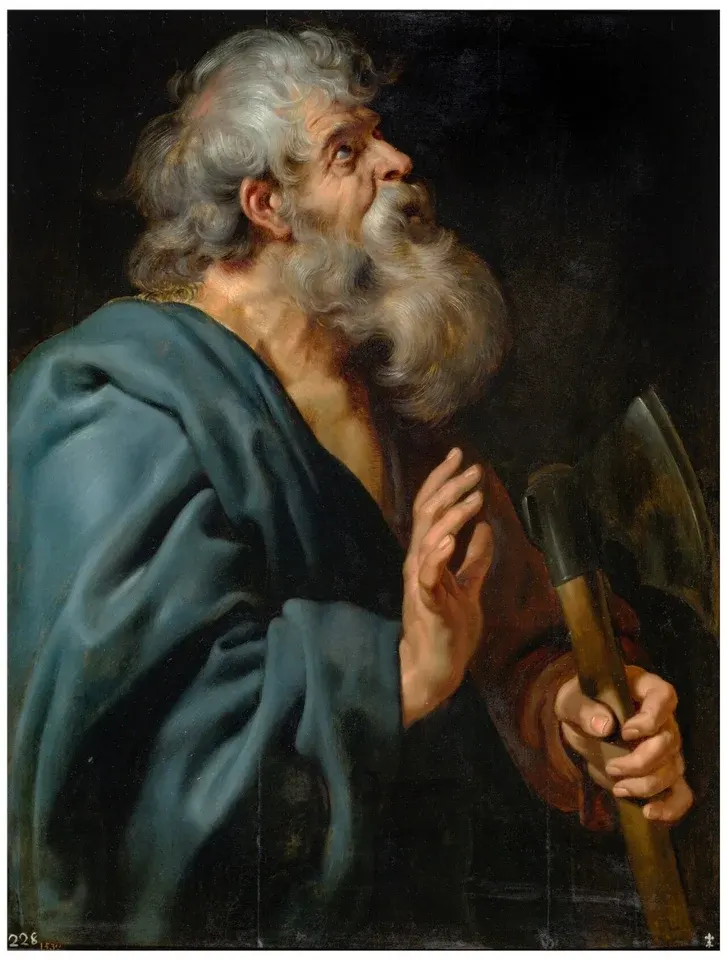
Biography
Matthias appears in Acts 1 when the disciples seek a replacement for Judas Iscariot. Peter sets out the requirement that the candidate should have accompanied Jesus' ministry and be able to witness to the resurrection. Matthias and Joseph Barsabbas are proposed, and Matthias is selected by lot after prayer.
The selection takes place after the Ascension and before Pentecost, during the community's waiting and prayer. Both candidates meet the stated condition of sustained companionship. Acts therefore presents the choice as rooted in an existing life of discipleship, not the sudden recruitment of someone previously unknown to the group.
This passage establishes his place among the Twelve but says little about his subsequent ministry. Later accounts of his origins, travels, and death differ and should not be presented as a single secure biography. His commemoration emphasizes apostolic witness rooted in following Jesus over time. He is distinct from Matthew the evangelist, despite the similarity of their names.
After his appointment Matthias largely disappears from the New Testament narrative. That silence does not make his apostolic role doubtful, but it limits what can responsibly be said about his later years. The traditional missions and martyrdom accounts illustrate subsequent devotion rather than filling every gap with equally reliable historical evidence.
Context & contribution
The community interprets a broken apostolic circle
Acts places Matthias's selection before a gathering of about 120 believers. Peter's speech interprets the vacancy through two passages from the Psalms, joining the loss of Judas to the need for another person to assume the ministry. Scripture supplies the community with a way to act after betrayal rather than merely a prediction to observe.
The passage also preserves the name and alternative names of the other candidate, Joseph Barsabbas, called Justus. Both men remain part of the story of discipleship even though only Matthias receives this particular office. The text makes the restored apostolic group its focus; it does not describe the unselected candidate as unfaithful or unqualified.
Explore the sources for this section
AI-assisted source comparison updated 2026-09-26. Editorial approach
From the Saint Discovery blog
Keep exploring your faith
Practical guides to prayer, the saints, and living the Catholic faith.
What Is the Domestic Church? John Paul II on Faith at Home
What Catholics mean by the domestic church, how John Paul II explained family life, and practical ways to begin with prayer, forgiveness and welcome.
Bring reflection into prayerRead the article Prayer & reflectionHow to Make a Spiritual Communion When You Cannot Receive
Learn how to make a spiritual communion, with a short original prayer and clear guidance on Mass, Confession, and times when you cannot receive.
Bring reflection into prayerRead the articleFrom reading to reflection
What will you carry with you?
After reading about St. Matthias the Apostle, take a moment to consider:
- Read Acts 1:15–26 from the perspective of the assembled community, then identify what the passage does—and does not—say about Joseph Barsabbas after Matthias is chosen.
These are reflection prompts from Saint Discovery, not quotations from the saint.
Sources and further reading
Biography source comparison recorded on . This is an AI-assisted comparison, not independent human or ecclesiastical approval.
What the recorded review covers
AI-assisted expansion of the existing source-reviewed biography with comparison to retrieved cited sources; not ecclesiastical approval
A source list helps you check an account; it does not establish that every claim is certain. Follow the biography’s qualifications about historical evidence, traditions and feast calendars.
Suggest a correction to this biography
How we research these pages and handle corrections · Directory corrections log
More lives to explore
Suggestions based on the site’s quiz themes, not a historical relationship or a measure of holiness.