Catholic saint biography
St. John of Damascus
- Commemoration:
- December 4
- Lived:
- Seventh–eighth centuries — Damascus, Syria
Roman and Byzantine commemoration.
Why dates and liturgical observances can differ
Read the sources for this biography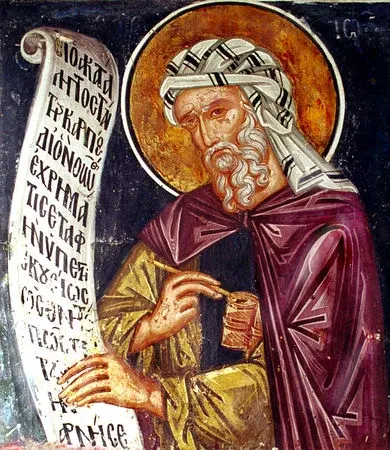
Biography
John of Damascus came from a Christian family living under Muslim rule and later became a monk at Mar Saba near Jerusalem. A major theologian of the Eastern Church, he brought earlier Christian teaching together in systematic form and composed homilies and liturgical works.
His life unfolded where Greek and Syriac Christian traditions met the expanding Islamic world. Tradition places him in public service before his monastic vocation. At Mar Saba, ascetic life, theological study, and preaching belonged together; his withdrawal from courtly life did not mean withdrawal from the Church's intellectual disputes.
He is particularly known for defending the veneration of holy images during the iconoclastic controversy. His argument distinguished worship due to God alone from honor directed through an image to the person represented, grounding the possibility of Christian images in the Incarnation. His writings influenced the later defense of icons. Leo XIII declared him a Doctor of the Church in 1890.
For John, material things could convey holiness because the Word had truly become flesh. That reasoning explains why his defense of icons was more than an argument about decoration. The honor shown to an image referred beyond wood or paint to its subject, while adoration remained proper to God alone.
Context & contribution
From condemned writings to conciliar reception
John's defense of images had a contested afterlife. The iconoclastic council at Hieria in 754 condemned his discourses after his death; the Second Council of Nicaea in 787 subsequently vindicated the defense of sacred images. His reception therefore illustrates why a theologian's influence cannot be measured only by acceptance during one political or ecclesiastical moment.
His argument also extended beyond painted icons. Scripture written in ink, the wood of the cross, and the material elements of worship belonged within his reasoning about creation and the Incarnation. The issue was whether physical things could participate in Christian worship without being mistaken for God. This broader framework connects his icon theology with sacramental life.
Explore the sources for this section
AI-assisted source comparison updated 2026-09-26. Editorial approach
From the Saint Discovery blog
Keep exploring your faith
Practical guides to prayer, the saints, and living the Catholic faith.
What Is the Domestic Church? John Paul II on Faith at Home
What Catholics mean by the domestic church, how John Paul II explained family life, and practical ways to begin with prayer, forgiveness and welcome.
Bring reflection into prayerRead the article Prayer & reflectionHow to Make a Spiritual Communion When You Cannot Receive
Learn how to make a spiritual communion, with a short original prayer and clear guidance on Mass, Confession, and times when you cannot receive.
Bring reflection into prayerRead the articleFrom reading to reflection
What will you carry with you?
After reading about St. John of Damascus, take a moment to consider:
- Choose an icon, a Bible, and a baptismal font; explain how John's distinction between a material object and the divine reality it serves applies differently to each.
These are reflection prompts from Saint Discovery, not quotations from the saint.
Sources and further reading
Biography source comparison recorded on . This is an AI-assisted comparison, not independent human or ecclesiastical approval.
What the recorded review covers
AI-assisted expansion of the existing source-reviewed biography with comparison to retrieved cited sources; not ecclesiastical approval
A source list helps you check an account; it does not establish that every claim is certain. Follow the biography’s qualifications about historical evidence, traditions and feast calendars.
Suggest a correction to this biography
How we research these pages and handle corrections · Directory corrections log
More lives to explore
Suggestions based on the site’s quiz themes, not a historical relationship or a measure of holiness.