Catholic saint biography
St. Gemma Galgani
- Commemoration:
- April 11
- Lived:
- 1878–1903 — Near Lucca, Italy
April 11 in the cited Dicastery profile; religious calendars may arrange a different celebration.
Why dates and liturgical observances can differ
Read the sources for this biography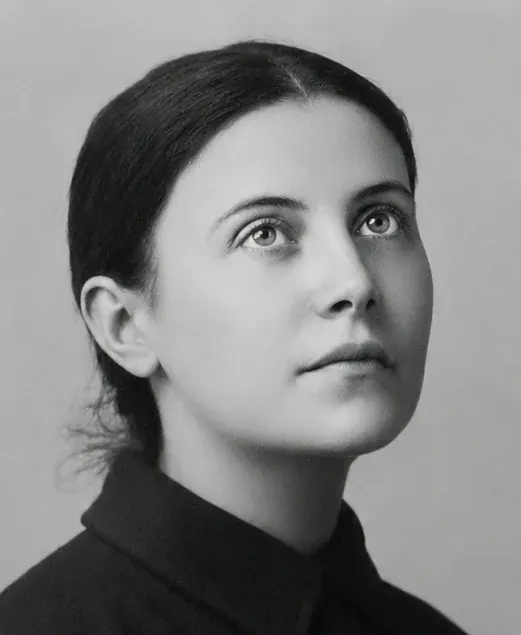
Biography
Gemma Galgani was a young laywoman of Lucca whose spirituality centered on Christ's Passion. Although she hoped to enter a monastery, she never became a cloistered nun.
Born in 1878, she lost her mother in childhood and later experienced the deaths of her brother and father. Family financial difficulties compounded these losses. Serious illness restricted her activities and brought long periods of physical suffering.
The Giannini family received her into their household, providing stability during her later life. Reading about Gabriel of Our Lady of Sorrows and contact with Passionist spiritual directors helped shape her religious outlook. Her diary, autobiography, and letters preserve how she understood prayer and suffering.
Accounts of the stigmata and visions form part of this mystical record. They should be presented as religious experiences described by Gemma and her supporters, not as independently established medical findings. She developed tuberculosis and died in 1903. Canonized in 1940, she is remembered on April 11. Her biography is best understood through the combination of family loss, dependence on others, lay religious commitment, and a distinctive body of spiritual testimony.
Context & contribution
A household made her later life possible
Gemma's illness eventually required a move to a separate apartment near the Giannini household. That detail preserves the practical circumstances surrounding mystical testimony: accommodation, illness, and continued support by others remained part of daily life.
The Dicastery's account also acknowledges doubts about the reported signs and identifies the Passionist Germano Ruoppolo as a defender. The history therefore includes interpretation and disagreement, not simply a list of phenomena accepted identically by everyone. Her writings can be approached as testimony to her religious life while keeping the role of those who preserved and interpreted them visible.
Explore the sources for this section
AI-assisted source comparison updated 2026-09-26. Editorial approach
From the Saint Discovery blog
Keep exploring your faith
Practical guides to prayer, the saints, and living the Catholic faith.
Why Do Catholics Pray to Saints? Intercession Explained
Why do Catholics pray to saints? Learn how intercession differs from worship, how it relates to Jesus, and a simple way to ask a saint to pray for you.
A next step with your saintRead the article Living the seasonsHow to Celebrate Your Patron Saint's Feast Day at Home
Celebrate your patron saint's feast day with prayer, a short biography, and an act of kindness. A practical plan for families, sponsors, and individuals.
A next step with your saintRead the articleFrom reading to reflection
What will you carry with you?
After reading about St. Gemma Galgani, take a moment to consider:
- List the different roles of Gemma, the Giannini family, and her spiritual defender in the surviving account. Which parts of the story depend on each person's perspective?
These are reflection prompts from Saint Discovery, not quotations from the saint.
Sources and further reading
Biography source comparison recorded on . This is an AI-assisted comparison, not independent human or ecclesiastical approval.
What the recorded review covers
AI-assisted expansion checked against cited sources; historical traditions distinguished from documented evidence; not ecclesiastical approval
A source list helps you check an account; it does not establish that every claim is certain. Follow the biography’s qualifications about historical evidence, traditions and feast calendars.
Suggest a correction to this biography
How we research these pages and handle corrections · Directory corrections log
More lives to explore
Suggestions based on the site’s quiz themes, not a historical relationship or a measure of holiness.