Catholic saint biography
St. Euphrasia of Constantinople
- Commemoration:
- March 13
- Lived:
- c. 380–early fifth century — Constantinople; Egypt
March 13 in the cited Western calendar; Eastern tradition commemorates the daughter on July 25. Her mother is commemorated January 12.
Why dates and liturgical observances can differ
Read the sources for this biography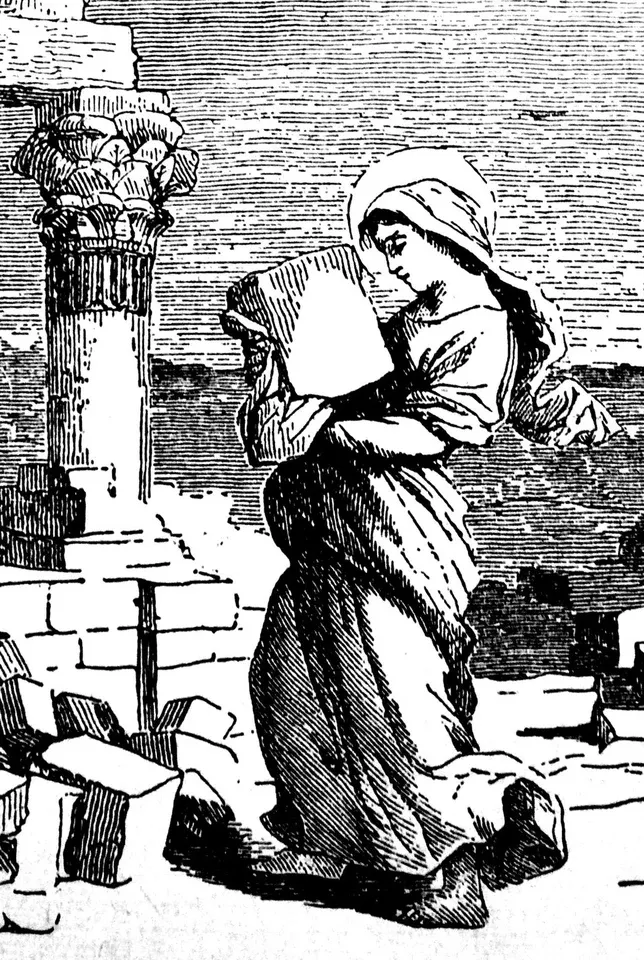
Biography
Euphrasia, also called Eupraxia, is remembered as a woman from a prominent Constantinopolitan family who embraced monastic life in Egypt. Her traditional biography belongs to the world of early Christian women's ascetic communities.
After her father's death, her mother took her to Egypt. The younger Euphrasia remained in a monastery in the Thebaid and eventually chose religious commitment rather than the marriage expected for someone of her social position.
Her inherited wealth forms an important part of the story: she is remembered for making it available to poor people. Within the monastery, the account emphasizes obedience, manual work, and humility. These details show the values the biography sought to teach its readers.
The surviving life is hagiography, not a continuous contemporary record, and its elaborate conversations and episodes require that qualification. Her mother shared her name, creating another possibility of confusion. Eastern and Western commemorations also differ, so different feast dates need not refer to different people. Her remembered significance rests on the choice to exchange social privilege for a disciplined religious community rather than on securely recoverable details of every stage of her life.
Context & contribution
Two women with the same name
The Orthodox account of Eupraxia the Elder supplies a useful family distinction. It describes a widowed mother visiting Egyptian monasteries with her daughter, and an abbess named Theodula receiving the younger girl into the community. This is the mother's commemoration, although the daughter is central to its narrative.
The mother's final advice, as transmitted in that account, warns the daughter against expecting the sisters to serve her because of her background. Within the hagiography, relinquishing privilege means changing relationships, not merely donating money. The episode is best read as a teaching about community life, not as a verbatim farewell transcript.
Explore the sources for this section
AI-assisted source comparison updated 2026-09-26. Editorial approach
From the Saint Discovery blog
Keep exploring your faith
Practical guides to prayer, the saints, and living the Catholic faith.
What Is the Domestic Church? John Paul II on Faith at Home
What Catholics mean by the domestic church, how John Paul II explained family life, and practical ways to begin with prayer, forgiveness and welcome.
Bring reflection into prayerRead the article Prayer & reflectionHow to Make a Spiritual Communion When You Cannot Receive
Learn how to make a spiritual communion, with a short original prayer and clear guidance on Mass, Confession, and times when you cannot receive.
Bring reflection into prayerRead the articleFrom reading to reflection
What will you carry with you?
After reading about St. Euphrasia of Constantinople, take a moment to consider:
- Explain how the same name can cause a mistaken saint identification, then discuss why the mother's advice addresses behavior as well as possessions.
These are reflection prompts from Saint Discovery, not quotations from the saint.
Sources and further reading
Biography source comparison recorded on . This is an AI-assisted comparison, not independent human or ecclesiastical approval.
What the recorded review covers
AI-assisted expansion checked against cited sources; historical traditions distinguished from documented evidence; not ecclesiastical approval
A source list helps you check an account; it does not establish that every claim is certain. Follow the biography’s qualifications about historical evidence, traditions and feast calendars.
Suggest a correction to this biography
How we research these pages and handle corrections · Directory corrections log
More lives to explore
Suggestions based on the site’s quiz themes, not a historical relationship or a measure of holiness.