Catholic saint biography
St. Benjamin of Persia
- Commemoration:
- March 31
- Lived:
- Died in the early fifth century — Persia
March 31 in the Catholic calendar; also October 13 in Eastern commemorations.
Why dates and liturgical observances can differ
Read the sources for this biography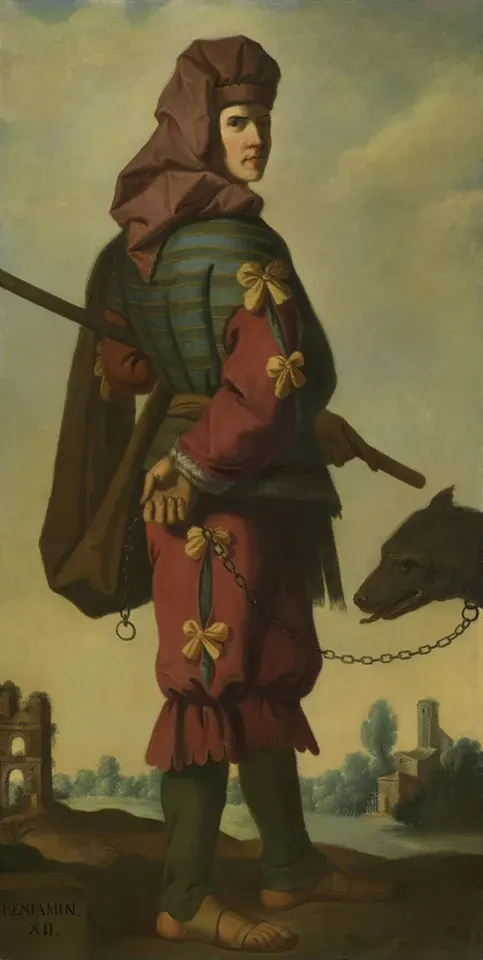
Biography
Benjamin was a Christian deacon in the Persian Empire during a period of persecution associated with the reigns of Yazdegerd I and Bahram V. Church accounts describe his imprisonment for preaching Christianity and an intervention that secured his release on condition that he cease teaching his faith. Benjamin considered his religious duty incompatible with accepting that restriction.
The conflict arose within the Sasanian Empire, outside the Roman political world familiar from many martyr stories. His office as deacon placed him within an established Persian Christian community. The episode of diplomatic intervention also illustrates how relations between empires could affect the lives of local believers.
The tradition centers on the terms of his release: remaining free required silence about his faith. That conflict explains his renewed arrest. The available accounts do not justify presenting detailed speeches or a modern medical description of his suffering as independently verified evidence.
He resumed preaching and was arrested again, tortured, and killed. The traditions differ in precise chronology, so an exact birth year or confidently fixed execution date would overstate the evidence. His remembrance belongs to the history of Persian Christianity and its encounters with royal authority. March 31 is the Catholic commemoration; Eastern calendars also remember Benjamin with Persian martyrs on October 13.
Context & contribution
Reading martyrdom without excusing destruction
The traditional setting of Benjamin's death includes a crisis following the destruction of a Persian religious shrine by Christians. Theodoret, an early church historian, criticized that destruction even while defending the persecuted Christians. His account is valuable because it does not make every action by members of the Church automatically admirable.
For readers of Benjamin's story, this distinction prevents a dangerous confusion: fidelity under persecution is not permission to attack another community's sacred place. The accounts connect him with continued preaching, while wider reprisals affected many Christians. His remembrance can therefore open a careful discussion of personal conscience, collective punishment, and the difference between bearing witness to faith and using force against another religion.
Explore the sources for this section
AI-assisted source comparison updated 2026-09-26. Editorial approach
From the Saint Discovery blog
Keep exploring your faith
Practical guides to prayer, the saints, and living the Catholic faith.
Why Is St. Thérèse the Patron Saint of Missions?
Why is St. Thérèse patron saint of missions? Discover her support for missionaries and practical ways to participate in the Church's mission from home.
Sharing the faithRead the article Everyday faithWhat Is Evangelization? A Catholic Guide to Sharing the Faith
What is evangelization? Learn the Catholic meaning, the new evangelization, and practical ways to share your faith with respect, confidence, and love.
Sharing the faithRead the articleFrom reading to reflection
What will you carry with you?
After reading about St. Benjamin of Persia, take a moment to consider:
- Read Theodoret's criticism of the shrine's destruction and discuss how a martyr narrative can defend conscience without endorsing every action of the martyr's community.
These are reflection prompts from Saint Discovery, not quotations from the saint.
Sources and further reading
Biography source comparison recorded on . This is an AI-assisted comparison, not independent human or ecclesiastical approval.
What the recorded review covers
AI-assisted expansion checked against retrieved historical and institutional sources; traditions distinguished from documented history; not ecclesiastical approval
A source list helps you check an account; it does not establish that every claim is certain. Follow the biography’s qualifications about historical evidence, traditions and feast calendars.
Suggest a correction to this biography
How we research these pages and handle corrections · Directory corrections log
More lives to explore
Suggestions based on the site’s quiz themes, not a historical relationship or a measure of holiness.