The brown scapular is a Catholic sacramental associated with Our Lady of Mount Carmel. Its small cloth panels are a sign of Marian devotion and a connection with the Carmelite spiritual family. Wearing one expresses a desire to follow Jesus with Mary's help. The Carmelites in Britain explain that relationship in their introduction to the devotion.
If someone has given you a scapular, you may wonder what to do next. Start with its meaning, then learn about wearing it and the Church's rite of blessing and enrollment. A thoughtful beginning matters more than collecting devotional objects.
What does a brown scapular look like?
The small devotional scapular consists of two pieces of brown cloth joined by cords or ribbons. The bands pass over the shoulders, leaving one panel at the front and the other at the back. It is a small version of the scapular worn as part of the Carmelite religious habit.
Pictures are common, but the picture is not what makes the object a scapular. The Discalced Carmelite catechesis explains that simple, undecorated brown panels are an authentic form. You do not need an elaborate design to begin understanding the devotion.
Is a scapular a sacrament or a good-luck charm?
It is a sacramental, which differs from a sacrament. The Catechism, paragraphs 1667–1670, describes sacramentals as sacred signs through which the Church prays for spiritual effects. They prepare people to receive grace and cooperate with it; they do not confer grace in the same way as the sacraments.
That distinction rules out treating the cloth as an automatic spiritual safeguard. Wearing a scapular cannot replace repentance, charity, or participation in the sacramental life. Its use should help you respond to God rather than make you think your response no longer matters.
For a related example, our guide to wearing saint medals explains how a devotional object can express faith without becoming a substitute for it.
What does it mean to follow Mary through this devotion?
In his 2001 message to the Carmelite family, Saint John Paul II connects the scapular with an enduring Christian way of life: prayer, the sacraments, and works of mercy. He presents Mary's care and the believer's commitment as belonging together.
Think of the scapular as something that accompanies a relationship. A meaningful question is not simply whether you have it on, but how you are becoming more attentive to Christ. Does your devotion make space for prayer? Does it help you notice someone who needs patience, forgiveness, or practical assistance?
Those questions can keep a very small object connected with the large demands of loving God and neighbor.
How do blessing and enrollment work?
Ask your parish priest or deacon, or a nearby Carmelite community, about the rite and the preparation that comes with it. The Carmelites' published enrollment rite begins with instruction about Carmelite spirituality, the scapular's symbolism, and the commitments of the confraternity. It includes prayer and the placing of the scapular over the person's head.
The rite uses the traditional cloth form for enrollment and allows a scapular medal afterward. If you have questions about a medal, clothing, or a practical difficulty, discuss your situation with the minister rather than trying to resolve it through conflicting online checklists.
A useful first conversation might be: I have received a brown scapular and would like to understand the devotion before being enrolled. What preparation and prayer practice would you recommend? That gives the conversation a purpose beyond arranging a brief ceremony.
Do I have to join a religious order?
Wearing the devotional scapular does not mean you have become a friar or nun. It expresses a spiritual connection with Carmel. The British Carmelites' explanation describes enrollment as a link with the wider Carmelite family and the worldwide scapular confraternity.
If you want to explore a formal lay Carmelite vocation, ask about that separately. Learning about an order, wearing its devotional sign, and entering a structured community are different steps. You can take time to understand what each involves without assuming that a gift of cloth has settled your vocation.
What about stories and promises attached to the scapular?
You may encounter accounts of Mary giving the scapular to Saint Simon Stock, alongside dramatic claims about salvation or release from purgatory. Distinguish devotional tradition from established historical evidence. The Discalced Carmelite discussion identifies serious historical problems with the late accounts of the vision and with the document associated with the so-called Sabbatine privilege.
You do not need to repeat an uncertain story as proven history to value the scapular. Nor should you turn a devotional promise into a guarantee that bypasses conversion. Begin with the Church's teaching on sacramentals and the Carmelite explanation of the sign.
How can I make the devotion part of ordinary life?
Choose one manageable practice to discuss during your preparation. Perhaps you can make a short morning offering, read a little of a Gospel, or set aside a regular moment for quiet prayer. Connect that practice with a specific act of care: checking on a neighbor, keeping a promise, or listening without reaching for your phone.
At the end of a week, ask what helped you pray and what remained only an intention. Adjust the routine honestly. Our daily prayer guide can help you begin with the time you actually have.
The USCCB's guide to popular devotions places these practices in relation to the Church's liturgy. Keep your devotion connected with parish life and the sacraments rather than treating it as an isolated private project.
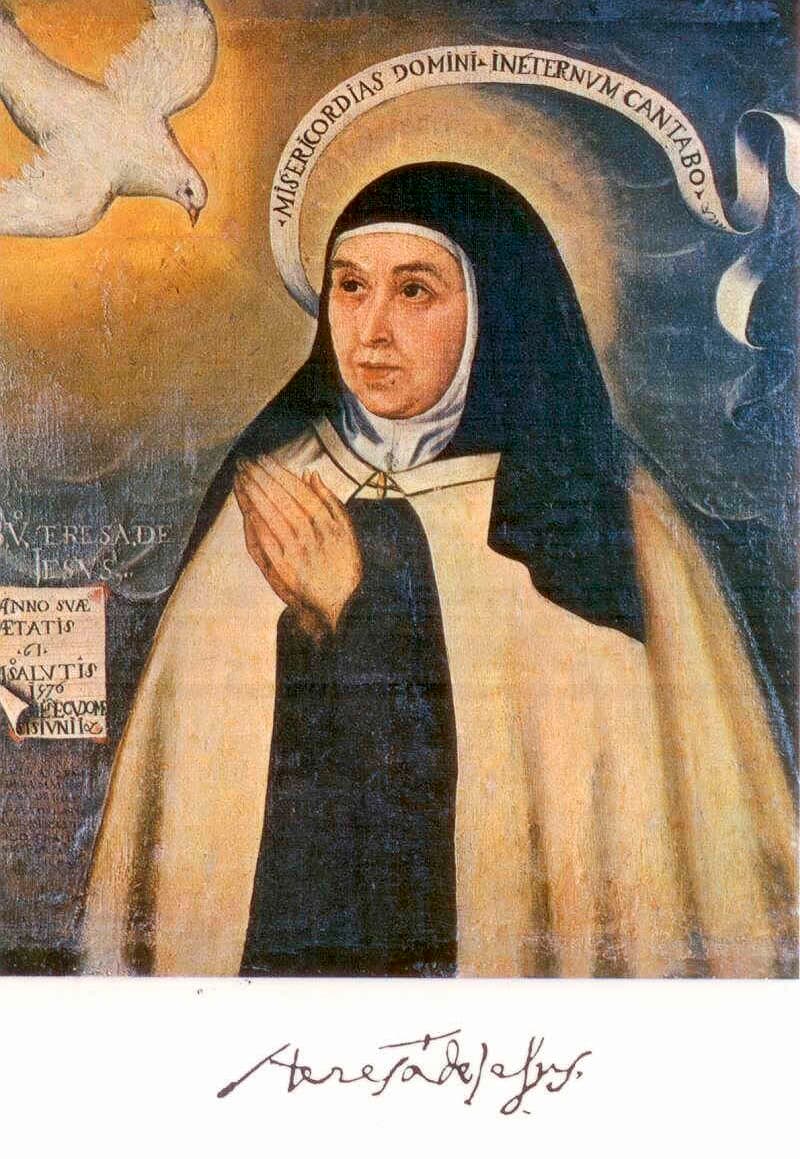
For a next step into Carmel, meet Saint Teresa of Ávila or Saint Thérèse of Lisieux. Read with one question in mind: what might learning from this saint change in the way I pray or care for another person today?
Artwork: Juan de la Miseria's 1576 portrait of Saint Teresa of Ávila in her Carmelite habit, via Wikimedia Commons. Public domain. This painting illustrates the Carmelite connection; it is not a photograph of the small devotional scapular.
