Catholic saint biography
St. Theodore of Sykeon
- Commemoration:
- April 22
- Lived:
- Sixth–early seventh centuries — Galatia, Asia Minor
Why dates and liturgical observances can differ
Read the sources for this biography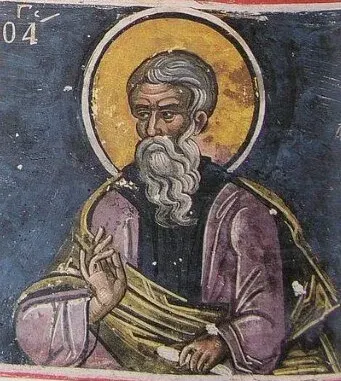
Biography
Theodore of Sykeon was a monk and bishop associated with a community near the church of Saint George in Galatia. His life developed around ascetic prayer, pilgrimage, and the gathering of disciples. He later became bishop of Anastasiopolis, although accounts describe his continuing desire to return to monastic solitude.
The traditional life describes his early attachment to Saint George’s church and later monastic formation near the Jordan. On returning home, he attracted people seeking guidance and gradually gathered a brotherhood. His development is thus presented as a movement from solitary devotion toward responsibility for disciples.
Accounts of his extreme ascetic practices belong to that same literary setting and should not be read as instructions for imitation. The more enduring question in his story concerns service: the monk who desired silence was repeatedly drawn into the needs of a community and the obligations of episcopal office.
The Orthodox life of Theodore contains numerous visions, healings, and other extraordinary episodes. These should be read as hagiographic testimony rather than silently converted into independently established historical facts. His enduring memory centers on monastic guidance, prayer, and the tension between contemplative vocation and pastoral responsibility. He is commemorated on April 22.
Context & contribution
Hospitality behind the accounts of asceticism
The OCA life reports an annual provision of bread from Emperor Maurice for the many people fed at Theodore’s monastery. That detail reveals a social responsibility alongside the extraordinary ascetic episodes. A community attracting visitors needed food and dependable support as well as a place for prayer.
His reluctance to remain a bishop introduces another tension: public expectations did not simply coincide with his desire for solitude. The narrative should be read as hagiography, with its reported visions identified accordingly, while noticing the practical questions it preserves about hospitality, resources, and the burdens of leadership.
Explore the sources for this section
AI-assisted source comparison updated 2026-09-26. Editorial approach
From the Saint Discovery blog
Keep exploring your faith
Practical guides to prayer, the saints, and living the Catholic faith.
What Is the Domestic Church? John Paul II on Faith at Home
What Catholics mean by the domestic church, how John Paul II explained family life, and practical ways to begin with prayer, forgiveness and welcome.
Bring reflection into prayerRead the article Prayer & reflectionHow to Make a Spiritual Communion When You Cannot Receive
Learn how to make a spiritual communion, with a short original prayer and clear guidance on Mass, Confession, and times when you cannot receive.
Bring reflection into prayerRead the articleFrom reading to reflection
What will you carry with you?
After reading about St. Theodore of Sykeon, take a moment to consider:
- What obligations arise when a place of prayer becomes a destination for many people seeking help?
These are reflection prompts from Saint Discovery, not quotations from the saint.
Sources and further reading
Biography source comparison recorded on . This is an AI-assisted comparison, not independent human or ecclesiastical approval.
What the recorded review covers
AI-assisted expansion using the linked historical and ecclesiastical sources; devotional traditions distinguished from documented history.
A source list helps you check an account; it does not establish that every claim is certain. Follow the biography’s qualifications about historical evidence, traditions and feast calendars.
Suggest a correction to this biography
How we research these pages and handle corrections · Directory corrections log
More lives to explore
Suggestions based on the site’s quiz themes, not a historical relationship or a measure of holiness.