01 · Read · A life to discover
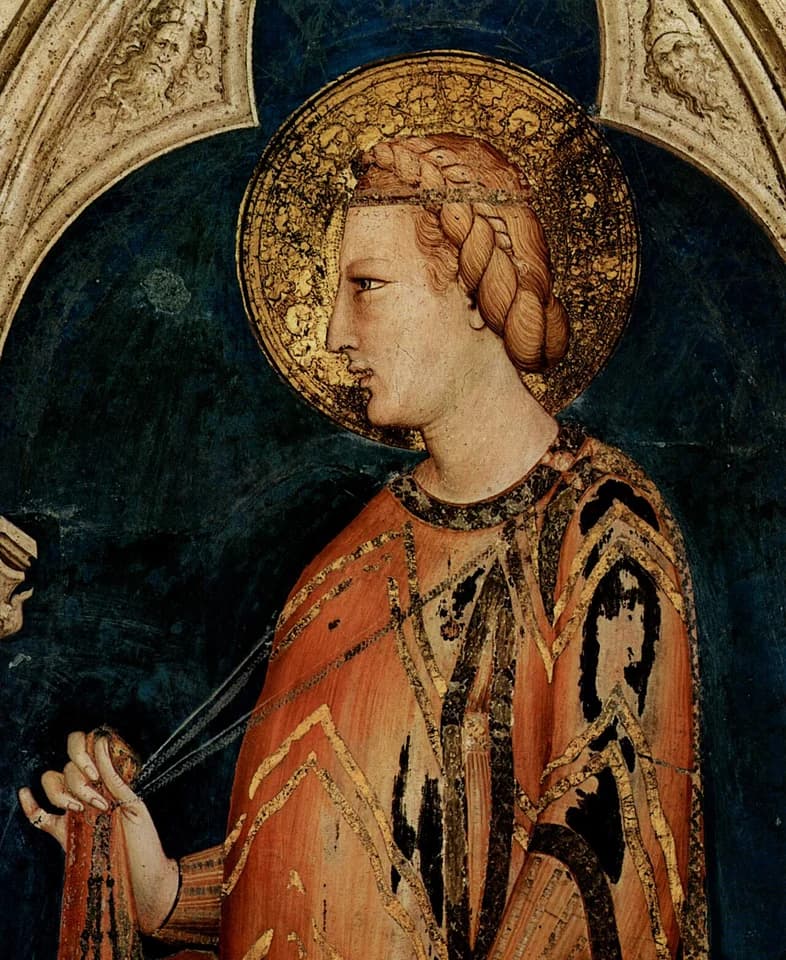
St. Elizabeth of Hungary
Elizabeth of Hungary was a royal daughter, wife, and young widow whose direct care for poor and sick people became central to her reputation. She lived from 1207 to 1231 and is also known as Elizabeth of Thuringia.
Sent away from Hungary as a child for a dynastic marriage, she grew up in the Thuringian court. She married Ludwig and had three children. The household's wealth and authority gave her opportunities to distribute relief, but her religious choices also provoked criticism within courtly society.
Influenced by Franciscan ideals, Elizabeth sought simplicity and personal service rather than leaving charity entirely to officials. Ludwig's death during the preparations for crusade left her vulnerable to family disputes. Her later life was also shaped by the demanding direction of Conrad of Marburg.
At Marburg she established a hospital and personally cared for patients. She died at twenty-four and was canonized only four years later. Accounts of her life include testimony from women who knew her, giving firmer foundations for her charitable work than for the famous later legend of bread turning into roses. That distinction helps preserve her practical achievements beneath a familiar artistic symbol.
This saint is included on this recurring date in the U.S. Roman Rite calendar published by the USCCB. This reading guide gives U.S. calendar saints priority; the Mass celebrated on a particular year’s date can differ because of Sundays, seasons or higher-ranking celebrations.
Explore the biography & sources ↗