01 · Read · A life to discover
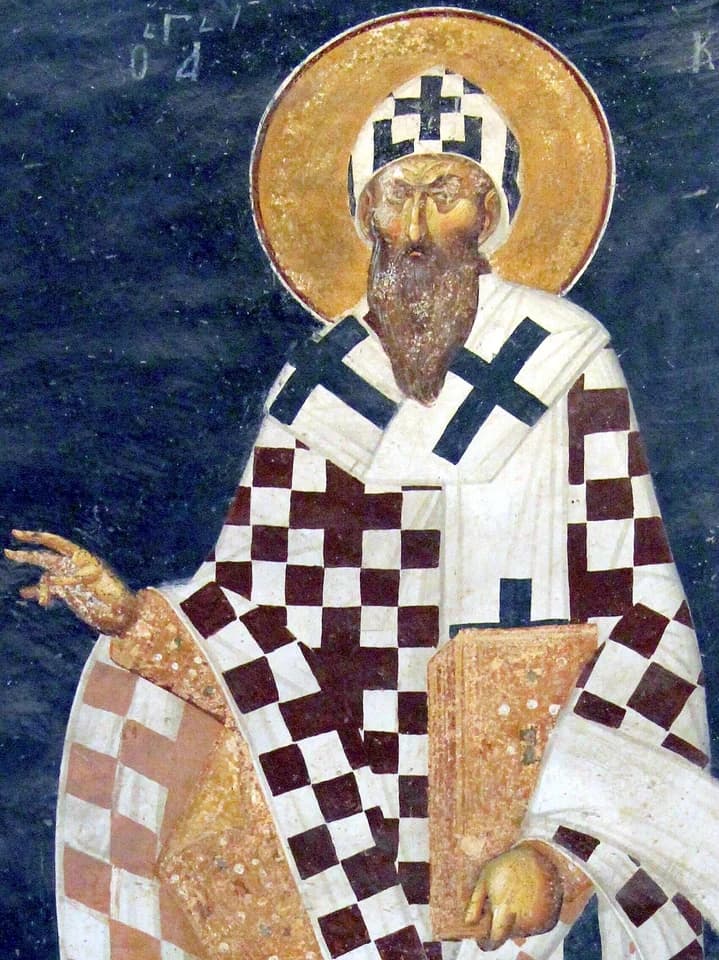
St. Cyril of Alexandria
Cyril became bishop of Alexandria in 412 and led that influential church for more than three decades. He wrote biblical commentaries and theological works, but is especially associated with the controversy over Nestorius and the Council of Ephesus in 431. He defended the unity of Christ's person and the use of Theotokos, Mother of God, for Mary.
Little is securely known about Cyril’s youth. He entered ecclesiastical life within the circle of his uncle Theophilus, his predecessor at Alexandria. The city’s influential theological tradition supplied both his intellectual resources and the institutional setting for his later conflicts with Constantinople.
For Cyril, calling Mary Mother of God concerned the identity of Jesus: the one born of her is the divine Word truly become human. His argument did not make Mary the origin of divinity. Biblical interpretation and appeal to earlier Christian teachers underpinned this defense of the incarnation.
His forceful leadership also belonged to a contentious world of ecclesiastical rivalry and imperial politics. After the council he worked toward a doctrinal agreement with John of Antioch, reached in 433. His writings became important resources for later discussion of Christ's humanity and divinity. Honored in Eastern and Western Christianity, he is a Catholic Doctor of the Church.
This saint is included on this recurring date in the U.S. Roman Rite calendar published by the USCCB. This reading guide gives U.S. calendar saints priority; the Mass celebrated on a particular year’s date can differ because of Sundays, seasons or higher-ranking celebrations.
Explore the biography & sources ↗