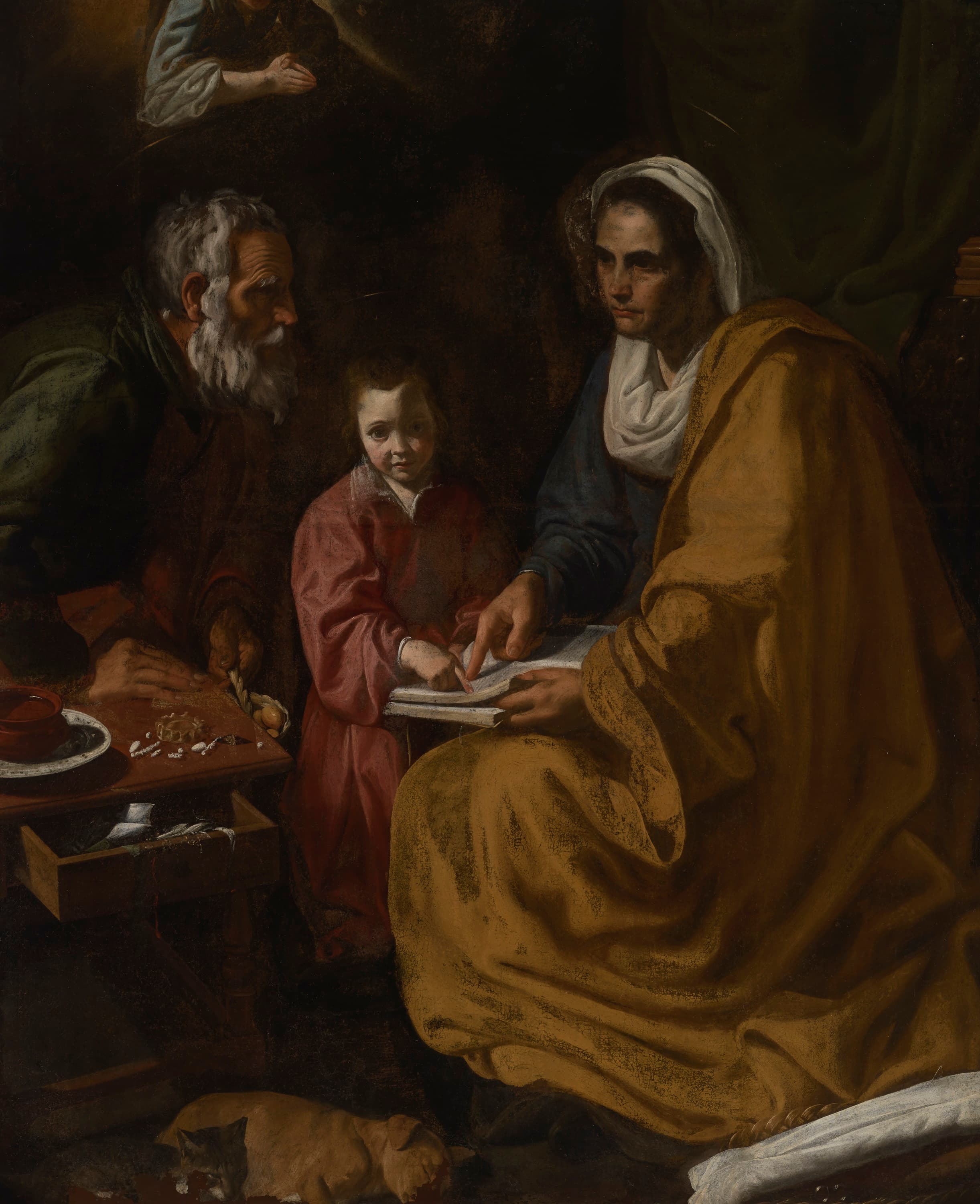
Catechetical Sunday is an annual observance in the United States that recognizes those who teach the Catholic faith and invites the whole parish to renew its commitment to sharing it. In 2026, it falls on September 20. The USCCB's official Catechetical Sunday page identifies the third Sunday in September as the annual date.
You may see catechists called forward at Mass or hear an invitation to join a parish formation program. For a parent, Confirmation sponsor, volunteer, or adult returning to the Church, the day offers a useful question: how can I help someone take their next step in faith?
What does catechesis mean?
Catechesis means formation in the Christian faith. It includes learning what the Church teaches and being helped to live as a disciple of Jesus. The Catechism, paragraphs 4–7, describes this formation as serving children, young people, and adults, with a connection to the Church's whole life.
A catechist helps people make those connections. A lesson about forgiveness can lead to questions about Confession, repairing a friendship, and asking God for help. Learning about Baptism can open a conversation about belonging to a parish. Knowing the vocabulary matters because it helps people understand and participate in a faith they are learning to live.
What is the Catechetical Sunday 2026 theme?
The USCCB's 2026 theme draws on Luke 4:18 and Isaiah 61:1, emphasizing the Spirit's anointing and Jesus' mission to the poor. In the NABRE, Luke 4:18 includes the words “to bring glad tidings to the poor.” Read Luke 4:18 (NABRE). The bishops use different wording for the theme on their Catechetical Sunday resources page, which also provides prayer cards and commissioning materials.
In Luke 4:16–21, Jesus reads from Isaiah in the synagogue at Nazareth and announces the fulfillment of that passage. The scene connects his mission with good news for the poor, freedom, and healing.
For a family or parish group, one way to reflect on the theme is to ask whose needs receive little attention. It might be a neighbor who cannot get to the grocery store, a classmate who feels excluded, or someone arriving at church without knowing anybody. Choose a response that involves listening to what the person actually needs. A small, thoughtful act of service gives a faith conversation somewhere concrete to go.
What happens on Catechetical Sunday?
Parishes can commission the people designated to serve as catechists and pray for their work. Check your parish bulletin for local plans, since schedules and formation programs vary. The USCCB presents the observance as an opportunity for the whole community to recommit to handing on the faith.
September 20, 2026 is also the Twenty-fifth Sunday in Ordinary Time. Catechetical Sunday names a pastoral observance; it is not a separate liturgical season. You can join in the parish's prayer and support its teachers without adding an elaborate celebration to an already busy weekend.
Five practical ways to take part
1. Thank someone who helped you learn the faith
Think of a particular person: a grandparent who prayed with you, a teacher who welcomed your questions, or a sponsor who kept in touch. Tell that person what you remember. A short note explaining how their patience helped you is more personal than a general thank-you.
If a child has just started religious education, learn the catechist's name and ask how to reinforce the week's lesson at home. That conversation can also reveal a practical need, such as help setting up a classroom or finding a substitute volunteer.
2. Make room for one honest question at home
The Catechism, paragraphs 2223–2226, gives parents a primary responsibility for their children's formation and describes family life as a setting for learning faith through example and prayer.
Try asking after Mass: What did you notice? What was confusing? Let the answer set the pace. If you do not know why something happens at Mass, say so and offer to find out together. Write down the question and ask your parish catechist or priest. Following through shows that questions are worth taking seriously.
3. Use a saint's life to start a conversation
Choose one biography from the Saint Directory, read a manageable section, and discuss one decision that person faced. Ask what courage, generosity, or patience looked like in that situation. Keep the conversation connected to the account rather than adding a dramatic detail you cannot verify.
For someone preparing for Confirmation, the Confirmation saint selection guide can help turn an interesting name into a thoughtful choice. Invite the candidate to explain which part of the saint's life speaks to them. Give them time to consider the answer themselves.
4. Connect a lesson with parish life
Pick one topic you have been meaning to understand, such as Baptism, the Eucharist, or Reconciliation. Read a short explanation, then bring a question to your parish's formation team. Our guide to the seven sacraments offers a starting point with links to Church teaching.
If your family is preparing for a sacrament, ask about the next meeting and what to bring. One clear next step can make the process feel more welcoming than trying to understand everything at once.
5. Offer the help you can sustain
If you are interested in teaching, ask the parish formation director about preparation, expectations, and the time involved. Be honest about your availability. You might be able to teach regularly, assist another catechist, prepare materials, or help welcome families.
People who cannot volunteer in a classroom can still pray for catechists and learners. Someone living alone might invite a friend to a parish study group. A grandparent can listen while a child explains a lesson. Choose a contribution you can keep making after September ends.
An original 15-minute lesson for the 2026 theme
Use this short plan at home or adapt it with your parish formation director. It is a teaching suggestion, not an official commissioning rite. The starting point is the USCCB's 2026 theme, based on Jesus' proclamation in Luke 4:18.
For the first five minutes, read Luke 4:16–21 from your Bible. Ask learners to identify who is speaking, where he is, and whom the good news concerns. Distinguish what the passage actually says from ideas the group adds. Keep one question visible: What does this show us about Jesus' mission?
For the next five minutes, consider a concrete situation: a family has recently arrived at the parish and does not know how to enroll a child in religious education. What would welcoming them involve? Possible answers include listening, explaining the process clearly, and accompanying them to the right person. Discuss why assuming their needs without asking could make even a generous offer unhelpful.
Use the final five minutes to choose one appropriate response and pray for the people involved. At the next meeting, return to the question about Jesus' mission. Ask learners to explain the connection in their own words. A service activity becomes part of catechesis when people can connect it with Christ and the faith, rather than treating it as an isolated good deed.
Is parish commissioning the same as becoming an instituted catechist?
No. The parish observance recognizes people entrusted with teaching the faith. The stable instituted lay ministry of Catechist, established by Pope Francis in 2021, involves a distinct process of discernment and formation under the bishop. Antiquum ministerium emphasizes biblical, theological, pastoral, and educational preparation, along with maturity and experience. See sections 6–9.
A person can serve generously in parish catechesis without assuming that a yearly blessing confers this instituted ministry. Ask the formation director what training, safeguarding requirements, curriculum, and mentoring apply to your actual role. Clear expectations protect learners and help volunteers teach with confidence.
Is Catechetical Sunday only for children?
No. Adults need opportunities to learn, ask questions, and deepen their faith too. Someone exploring Catholicism can contact a parish about OCIA, while a lifelong Catholic might benefit from a Scripture group or adult formation session. Our OCIA guide explains why becoming Catholic includes time for learning and formation.
You do not need to have every answer before joining a conversation. Start with a question, listen carefully, and return to it as you learn.
An original prayer for catechists and learners
Lord Jesus, thank you for the people who have helped us know you. Give catechists patience, clarity, and joy. Give learners courage to ask questions and hearts ready to listen. Help our homes and parishes welcome those who feel unsure, and teach us to serve our neighbors with care. Amen.
Artwork: The Education of the Virgin, attributed to Diego Velázquez, Yale University Art Gallery. Public-domain reproduction via Wikimedia Commons. This is a devotional artistic depiction, not a documented scene from Mary's childhood.
