Catholic saint biography
St. Matilda of Ringelheim
- Commemoration:
- March 14
- Lived:
- About 895–968 — Westphalia, present-day Germany
Why dates and liturgical observances can differ
Read the sources for this biography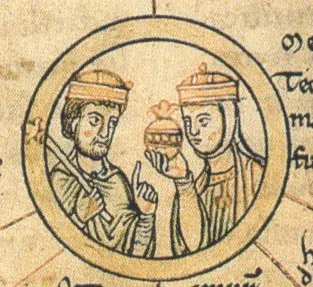
Biography
Matilda was educated at Herford and married Henry of Saxony, later King Henry I. Their children included Otto I and Bruno of Cologne. As a queen and widow, she supported churches and religious communities, using royal resources to establish institutions that outlasted the immediate political struggles of her family.
Her family responsibilities included a contested royal succession. She initially favored her son Henry rather than Otto, and later faced opposition from her sons over the resources she devoted to charity. These conflicts show a royal household shaped by competing political interests, not an uncomplicated scene of harmony.
Her foundations included Quedlinburg and Nordhausen. Accounts of her life emphasize prayer and charity, although her activity also belonged to the dynastic politics of the early German kingdom. She died at Quedlinburg in 968 and was buried beside her husband. Her veneration developed soon afterward, and her feast on March 14 marks the anniversary of her death.
Founding religious communities joined prayer, care, and the preservation of dynastic memory. Quedlinburg was especially connected with the burial of her husband and the family's continuing influence. Her widowhood therefore remained a period of significant public responsibility, and her religious patronage had effects in political as well as ecclesiastical life.
Context & contribution
Two royal biographies with different patrons
Two early Lives of Matilda survive. The older work was composed at Nordhausen and dedicated to Otto II; the later Life was written at the request of Henry II. Their institutional settings and royal audiences matter because Matilda's remembered holiness was closely connected with the fortunes of the dynasty descended from her.
These texts offer more than a store of incidents to combine into a single seamless biography. Their selection of family conflicts, charitable expenditure, and religious foundations also reflects the interests of the communities preserving her memory. Knowing who commissioned or received a Life helps readers ask how a queen's reputation could instruct later rulers and support the identity of a monastery.
Explore the sources for this section
AI-assisted source comparison updated 2026-09-26. Editorial approach
From the Saint Discovery blog
Keep exploring your faith
Practical guides to prayer, the saints, and living the Catholic faith.
Why Do Catholics Pray to Saints? Intercession Explained
Why do Catholics pray to saints? Learn how intercession differs from worship, how it relates to Jesus, and a simple way to ask a saint to pray for you.
A next step with your saintRead the article Living the seasonsHow to Celebrate Your Patron Saint's Feast Day at Home
Celebrate your patron saint's feast day with prayer, a short biography, and an act of kindness. A practical plan for families, sponsors, and individuals.
A next step with your saintRead the articleFrom reading to reflection
What will you carry with you?
After reading about St. Matilda of Ringelheim, take a moment to consider:
- Compare the patrons of Matilda's two Lives and propose two questions a historian should ask before treating either work as a neutral family record.
These are reflection prompts from Saint Discovery, not quotations from the saint.
Sources and further reading
Biography source comparison recorded on . This is an AI-assisted comparison, not independent human or ecclesiastical approval.
What the recorded review covers
AI-assisted expansion of the existing source-reviewed biography with comparison to retrieved cited sources; not ecclesiastical approval
A source list helps you check an account; it does not establish that every claim is certain. Follow the biography’s qualifications about historical evidence, traditions and feast calendars.
Suggest a correction to this biography
How we research these pages and handle corrections · Directory corrections log
More lives to explore
Suggestions based on the site’s quiz themes, not a historical relationship or a measure of holiness.