Catholic saint biography
St. José Sánchez del Río
- Commemoration:
- November 20
- Lived:
- 1913–1928 — Sahuayo, Michoacán, Mexico
November 20 is listed by the Dicastery for the Causes of Saints; February 10, his death anniversary, is also observed in local Catholic calendars.
Why dates and liturgical observances can differ
Read the sources for this biography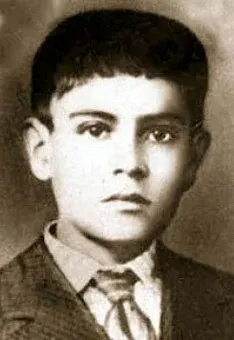
Biography
José Sánchez del Río was a Mexican boy whose life ended during the Cristero conflict and the government's persecution of Catholic practice. He joined the Cristeros as a standard-bearer while still fourteen. Captured by government forces, he was imprisoned in his hometown of Sahuayo.
The conflict grew out of restrictions on Catholic institutions and public religious practice. His family and hometown belonged to the communities affected by those measures. His role as a standard-bearer placed him within an armed movement, while the Church's recognition of martyrdom concerns the refusal to renounce faith during captivity.
The cause for his canonization describes pressure to renounce his faith, torture, and his execution on February 10, 1928. He was beatified in 2005 and canonized by Pope Francis in 2016. His religious witness should be presented within the real conflict that surrounded him, without romanticizing the participation of children in war. The official cause page retains a November 20 liturgical date, distinct from his death anniversary.
Accounts preserved for his cause emphasize the pressure placed on a child by captors with power over his life. This should be told without turning torture into spectacle or suggesting that young people ought to seek danger. His remembrance concerns fidelity under coercion, and requires acknowledging the tragedy of a life cut short.
Context & contribution
Letters and a parish transformed by conflict
The official cause biography records a letter José sent to his mother after capture and another to an aunt shortly before his death. Without reconstructing unrecorded thoughts, those family connections allow his captivity to be read as the experience of a child communicating with people who knew him, rather than only as a public symbol.
The same account identifies the parish church of Saint James in Sahuayo as a place used for his imprisonment and later for the reception of his remains. A building associated with baptism, detention, and remembrance holds several layers of this history. Its significance lies in those changing uses, which connect family faith with the violence that disrupted the community.
Explore the sources for this section
AI-assisted source comparison updated 2026-09-26. Editorial approach
From the Saint Discovery blog
Keep exploring your faith
Practical guides to prayer, the saints, and living the Catholic faith.
Why Do Catholics Pray to Saints? Intercession Explained
Why do Catholics pray to saints? Learn how intercession differs from worship, how it relates to Jesus, and a simple way to ask a saint to pray for you.
A next step with your saintRead the article Living the seasonsHow to Celebrate Your Patron Saint's Feast Day at Home
Celebrate your patron saint's feast day with prayer, a short biography, and an act of kindness. A practical plan for families, sponsors, and individuals.
A next step with your saintRead the articleFrom reading to reflection
What will you carry with you?
After reading about St. José Sánchez del Río, take a moment to consider:
- Trace the different uses of the Sahuayo parish church in José's story; discuss how one building can become a source for several kinds of historical memory.
These are reflection prompts from Saint Discovery, not quotations from the saint.
Sources and further reading
- Dicastery for the Causes of Saints: José Sánchez del Río ↗
- Archdiocese of Bogotá: February 10, José Sánchez del Río ↗
Biography source comparison recorded on . This is an AI-assisted comparison, not independent human or ecclesiastical approval.
What the recorded review covers
AI-assisted expansion of the existing source-reviewed biography with comparison to retrieved cited sources; not ecclesiastical approval
A source list helps you check an account; it does not establish that every claim is certain. Follow the biography’s qualifications about historical evidence, traditions and feast calendars.
Suggest a correction to this biography
How we research these pages and handle corrections · Directory corrections log
More lives to explore
Suggestions based on the site’s quiz themes, not a historical relationship or a measure of holiness.