Catholic saint biography
St. Bénézet
- Commemoration:
- April 14
- Lived:
- Died 1184 — Southern France
Why dates and liturgical observances can differ
Read the sources for this biography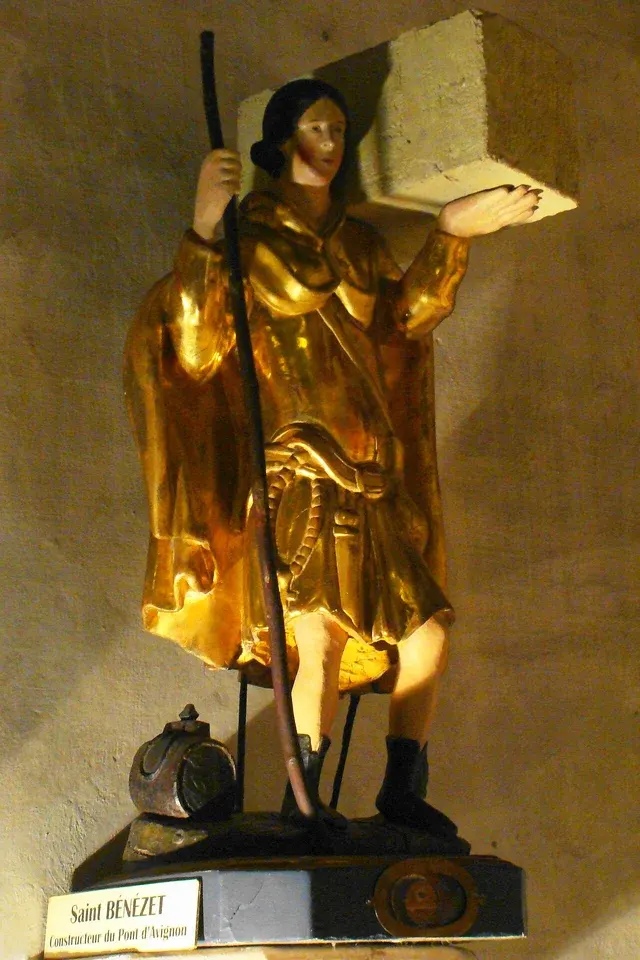
Biography
Bénézet, a form of the name Benedict, is remembered for his part in the construction of the medieval bridge across the Rhône at Avignon. Local church tradition describes a young shepherd who gathered support for the work and linked it with care for travelers, pilgrims, and people in need.
A bridge over the Rhône answered practical needs in a setting where travel could be dangerous and difficult. The tradition remembers fundraising, hospitality, and support for those engaged in construction. These activities place Bénézet’s work within organized charity rather than engineering alone.
The work progressed amid problems caused by the river’s force and flooding. Bénézet died in 1184 before completion, and later generations preserved his memory at the bridge. His April 14 commemoration belongs to that local history, while the miraculous construction stories should remain clearly labeled as tradition.
He died before the bridge was completed and was buried in its chapel. Stories of a heavenly command and miraculous feats belong to the legend surrounding the project. The existence of the bridge and Bénézet’s historical identity are better established than every detail of those stories or the organization of the medieval bridge-building brotherhoods.
Context & contribution
A bridge required a community
Bénézet's bridge belongs to a wider medieval world of associations that treated safe passage as a religious and civic responsibility. Historical study distinguishes these groups from a single formal monastic order. Their work could bring together donors, clergy, and skilled builders, with hospitality and fundraising supporting construction.
This distinction sharpens his legacy. The story of an inspired founder should not erase the organized labor needed to put stone arches across a dangerous river. The Catholic Encyclopedia also questions the authenticity of a papal document sometimes used in accounts of the bridge brotherhood. Bénézet can therefore be remembered with both admiration and precision: the historical bridge and its public service are firmer ground than every later claim about the institution behind it.
Explore the sources for this section
AI-assisted source comparison updated 2026-09-26. Editorial approach
From the Saint Discovery blog
Keep exploring your faith
Practical guides to prayer, the saints, and living the Catholic faith.
Walking the Camino de Santiago: A Catholic Beginner’s Guide
Walking the Camino de Santiago? Explore its Catholic meaning, beginner routes, preparation tips, pilgrim credentials, and ways to pray along the journey.
Explore the pilgrim journeyRead the article Prayer & reflectionWhy Do Catholics Pray to Saints? Intercession Explained
Why do Catholics pray to saints? Learn how intercession differs from worship, how it relates to Jesus, and a simple way to ask a saint to pray for you.
A next step with your saintRead the articleFrom reading to reflection
What will you carry with you?
After reading about St. Bénézet, take a moment to consider:
- List the workers and supporters needed for Bénézet's bridge, then consider how a founder's biography could acknowledge their contributions.
These are reflection prompts from Saint Discovery, not quotations from the saint.
Sources and further reading
- Nominis: Saint Bénezet, with diocesan accounts ↗
- Catholic Encyclopedia: The Bridge-Building Brotherhood ↗
Biography source comparison recorded on . This is an AI-assisted comparison, not independent human or ecclesiastical approval.
What the recorded review covers
AI-assisted expansion checked against retrieved historical and institutional sources; traditions distinguished from documented history; not ecclesiastical approval
A source list helps you check an account; it does not establish that every claim is certain. Follow the biography’s qualifications about historical evidence, traditions and feast calendars.
Suggest a correction to this biography
How we research these pages and handle corrections · Directory corrections log
More lives to explore
Suggestions based on the site’s quiz themes, not a historical relationship or a measure of holiness.