01 · Read · A life to discover
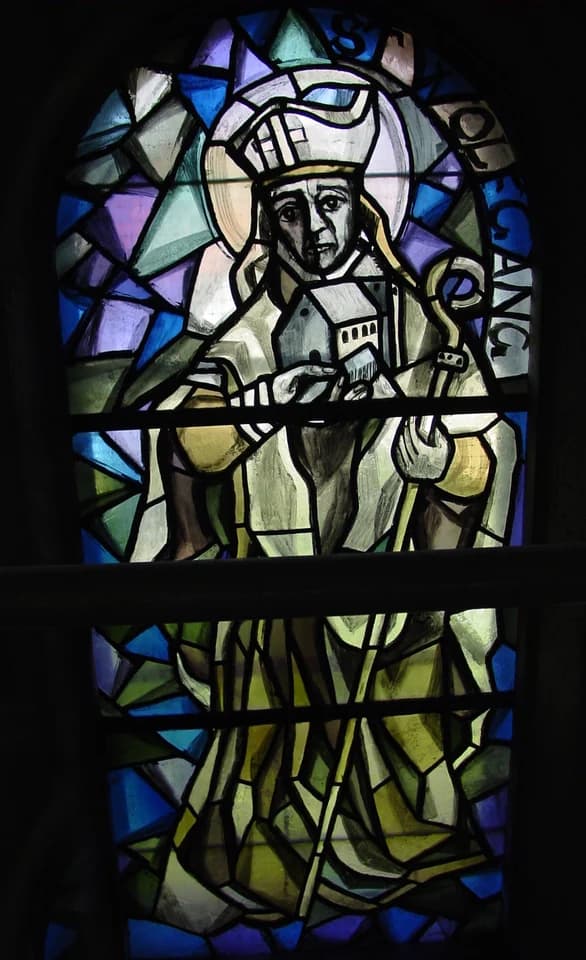
St. Wolfgang
Wolfgang was a teacher and monk who became bishop of Regensburg in 972. His education and early work took him through important centers of learning, including Reichenau and Trier. He later entered the monastery at Einsiedeln and was ordained a priest.
One significant reform concerned Saint Emmeram. Wolfgang restored its own abbatial leadership instead of keeping the monastery under the bishop’s direct control, and brought Ramwold from Trier to guide it. The decision gave practical expression to his belief in a disciplined monastic life.
He also supported reform in women’s communities and accepted changes in diocesan boundaries for the development of the Church at Prague. His episcopal service thus involved sharing authority as well as exercising it. Teaching, administration, and monastic renewal were closely connected in his understanding of leadership.
As bishop, he brought monastic discipline and concern for education to the leadership of his diocese. Accounts of his life also preserve periods of withdrawal into solitude and later legends associated with places bearing his name. He died while traveling in 994 and was buried at Saint Emmeram in Regensburg. His October 31 feast honors a pastor shaped by learning and prayer.
Explore the biography & sources ↗