01 · Read · A life to discover
St. Euphrasia of Constantinople
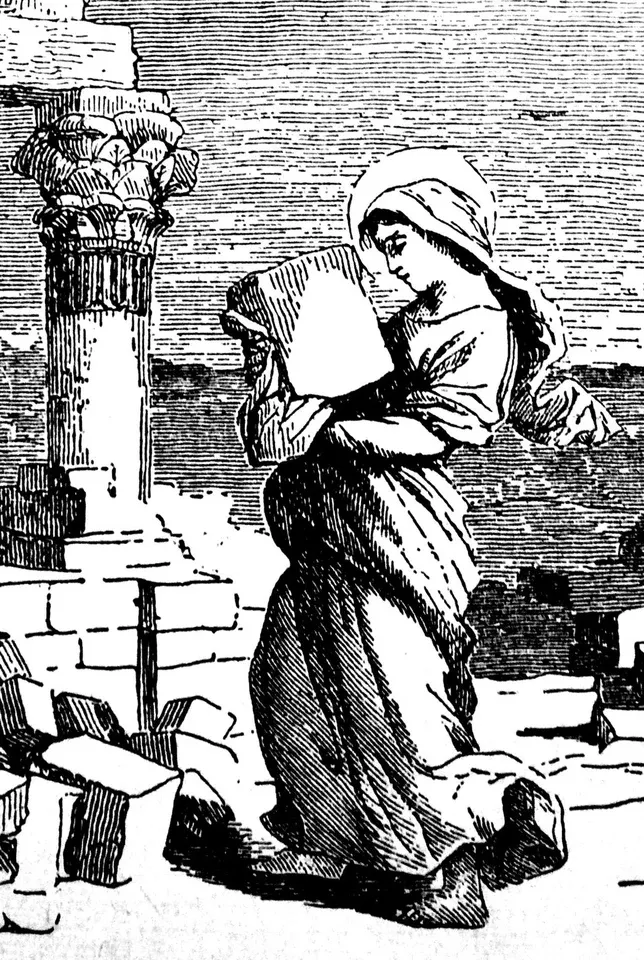
Euphrasia, also called Eupraxia, is remembered as a woman from a prominent Constantinopolitan family who embraced monastic life in Egypt. Her traditional biography belongs to the world of early Christian women's ascetic communities.
After her father's death, her mother took her to Egypt. The younger Euphrasia remained in a monastery in the Thebaid and eventually chose religious commitment rather than the marriage expected for someone of her social position.
Her inherited wealth forms an important part of the story: she is remembered for making it available to poor people. Within the monastery, the account emphasizes obedience, manual work, and humility. These details show the values the biography sought to teach its readers.
The surviving life is hagiography, not a continuous contemporary record, and its elaborate conversations and episodes require that qualification. Her mother shared her name, creating another possibility of confusion. Eastern and Western commemorations also differ, so different feast dates need not refer to different people. Her remembered significance rests on the choice to exchange social privilege for a disciplined religious community rather than on securely recoverable details of every stage of her life.
March 13 in the cited Western calendar; Eastern tradition commemorates the daughter on July 25. Her mother is commemorated January 12.
Explore the biography & sources ↗