01 · Read · A life to discover
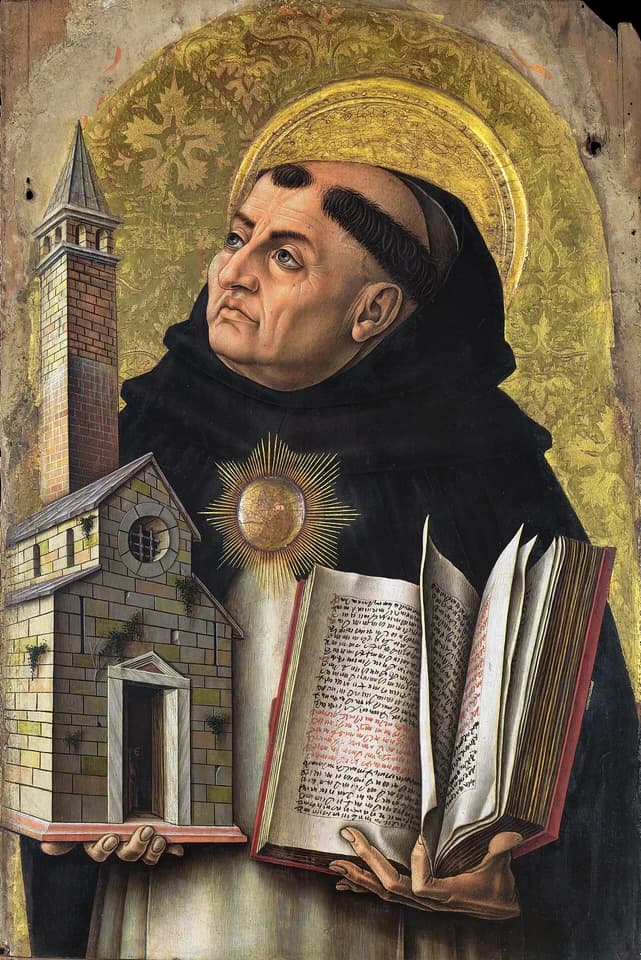
St. Thomas Aquinas
Thomas Aquinas was a Dominican friar whose study and teaching profoundly influenced Christian theology. After education at Monte Cassino and Naples, he joined the Dominicans despite family opposition. He studied with Albert the Great and later taught in Paris and worked in several Italian centers.
At Naples he encountered Aristotle’s philosophy, which was reshaping medieval intellectual life. Thomas neither accepted every argument uncritically nor rejected the philosopher because he was not Christian. He studied the texts closely and asked which conclusions reason could establish and how they related to revelation.
His vocation developed through teaching, friendship, and collaboration. Albert the Great helped form him, while fellow Dominicans and secretaries assisted his later work. The enormous body of writing therefore grew within communities of study and worship, rather than from the isolated effort of a scholar detached from religious life.
A central feature of his method is distinguishing questions that reason can investigate from truths received through revelation, while allowing the two forms of inquiry to illuminate one another. This gave Christian thinkers a way to engage serious philosophy without treating every philosophical claim as doctrine. His lasting influence rests partly on that disciplined method, not only on the conclusions later readers adopted.
His account of grace likewise treats human nature as something healed and brought toward fulfillment, rather than erased. In moral reflection, this leaves room for shared reasoning about human goods and responsibilities. Benedict XVI’s discussion of Thomas connects these themes with the dignity of the person and the common good. The relevance of his work therefore extends beyond medieval disputes to questions about education, ethical judgment, and what people owe one another.
His writings include biblical commentaries, philosophical works, and the Summa Theologiae. He examined how reason and faith can cooperate while retaining their distinct methods. His intellectual work was joined to prayer and Eucharistic devotion, including liturgical poetry. Honored as a Doctor of the Church, he remains an important figure for theological study and Catholic education.
This saint is included on this recurring date in the U.S. Roman Rite calendar published by the USCCB. This reading guide gives U.S. calendar saints priority; the Mass celebrated on a particular year’s date can differ because of Sundays, seasons or higher-ranking celebrations.
Explore the biography & sources ↗