Ordinary Time is the part of the Roman Catholic liturgical year in which the Church celebrates the mystery of Christ across numbered weeks, outside the seasons centered on Christmas and Easter. Its name refers to the ordering of those weeks. It is a season for paying sustained attention to Jesus and learning to follow him. The Archdiocese of Brisbane’s explanation of the liturgical seasons describes this focus on the whole mystery of Christ.
If you have noticed green vestments at Mass or wondered why the bulletin says “Twenty-Sixth Sunday,” this guide explains the calendar and offers a way to connect it with your week. It describes the current Roman Rite calendar; other Catholic liturgical traditions have their own calendars.
When does Ordinary Time begin and end?
Ordinary Time has two stretches. The first follows the Feast of the Baptism of the Lord in January and continues until Lent begins on Ash Wednesday. The second resumes after Pentecost and continues until Advent. Together, the two stretches comprise 33 or 34 weeks, depending on the year. The Canadian Conference of Catholic Bishops explains this arrangement in its Ordo pastoral notes, printed page 13.
This means Ordinary Time is one season interrupted by Lent, the Paschal Triduum, and Easter Time. The numbering resumes afterward rather than starting over. For the dates and celebrations in a particular year, use the USCCB’s liturgical calendar for the United States and your parish calendar.
The final Sunday is the Solemnity of Our Lord Jesus Christ, King of the Universe. The USCCB’s introduction to Ordinary Time connects the season’s growth in Christian life with this celebration of Christ as the goal of history.
Why does the priest wear green?
Green is the prescribed color for the Offices and Masses of Ordinary Time. Liturgical colors help make the character of a celebration visible. The rule appears in the General Instruction of the Roman Missal, paragraphs 345–346.
You may still see white or red during these months. A saint’s celebration or another particular liturgy can have its own color: white is used for saints who were not martyrs, for example, while red is used for martyrs. A different color does not necessarily mean the Church has entered another season. Read the name of the day’s celebration alongside the color.
For a child learning the calendar, that pairing makes a useful observation exercise: What color do we see, and what does the parish say we are celebrating? You do not need to know the answer in advance to look it up together.
What do Catholics hear in the Sunday readings?
Sunday Mass readings follow a three-year cycle. Year A draws mainly on Matthew, Year B on Mark with readings from John, and Year C on Luke. John also has an important place in the other seasons. The first reading usually connects with the Gospel, while the second reading often follows a New Testament letter over several weeks. See the USCCB’s questions about the Lectionary.
Recognizing that pattern can change how you listen. Before Mass, look at the Gospel passage’s chapter and verse numbers. Afterward, try reading the surrounding passage in your Bible. You may notice a question, encounter, or teaching that helps you understand what you heard. The Sunday reading is an invitation to become more familiar with Scripture over time.
If prayer with Scripture is new to you, our beginner’s guide to lectio divina explains how to read attentively and respond in prayer.
Why are weekday readings different from Sunday readings?
The Sunday and weekday schedules are separate. In Ordinary Time, weekday first readings follow a two-year cycle: Year I in odd-numbered years and Year II in even-numbered years. The weekday Gospel sequence is the same in both. The USCCB's Lectionary guide explains these cycles and notes that the liturgical year begins with Advent, not January 1.
This means a weekday Mass need not continue the Gospel you heard on Sunday. It also means that hearing a passage at Mass does not tell you that you have heard the whole biblical book: the Lectionary selects passages. Reading the surrounding chapter at home fills in context without treating the Mass readings as incomplete or defective.
If you attend both Sunday and weekday Mass, keep separate notes for the two sequences. That simple distinction can make recurring names, interrupted stories, and changes of book much easier to follow.
Is an ordinary Sunday less important?
Every Sunday celebrates Christ’s Resurrection. The Catechism describes Sunday as the central day for Christians to gather, hear God’s word, and participate in the Eucharist. That remains true when the calendar lists a numbered Sunday rather than a familiar feast. See the Catechism, paragraphs 1166–1167.
Think about preparing for the next Sunday as you would prepare for a meaningful conversation. Leave a little space to listen. Bring an intention for someone you care about. After Mass, recall one thing you want to understand better. These suggestions can help you pay attention without creating a complicated weekly assignment.
How do saints fit into Ordinary Time?
The seasonal calendar and the celebrations of saints belong together. The Catechism explains that remembering saints presents people whose lives show Christ’s saving work and offers their example to the faithful. Their celebrations direct us toward God. See paragraph 1173.
Our Saint of the Day page provides a starting point for learning about a saint. Consult your parish calendar for the celebration observed at Mass, since local calendars and the rank of an observance matter.
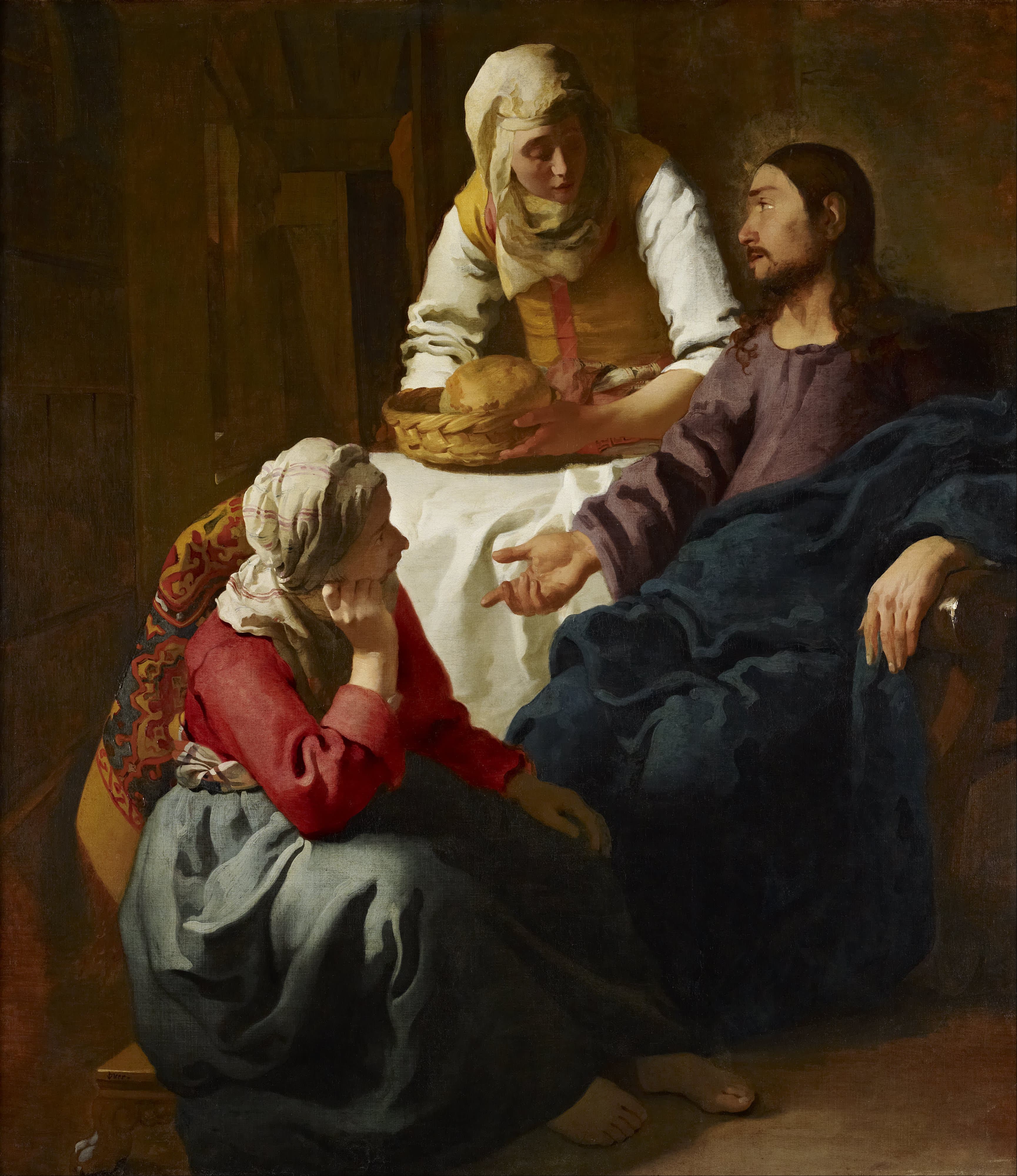
If you came to Saint Discovery looking for your patron saint or a Confirmation saint, this is a useful next step: keep reading about that person after choosing a name. You might begin with Saint Martha, whose story can prompt questions about hospitality, service, and attention to Jesus. Use the biography’s sources to distinguish the biblical account from later artistic interpretations.
How to read a calendar entry without getting lost
Start with the date and name of the celebration, then the Scripture references and liturgical color. For example, the 2026 U.S. liturgical calendar lists September 27 as the Twenty-Sixth Sunday in Ordinary Time, in green, with Ezekiel 18:25–28, Philippians 2:1–11 or its shorter form, and Matthew 21:28–32. The number “26” identifies the Sunday in the season; it is not a Bible chapter.
An “or” can indicate an authorized alternative or shorter reading. A book abbreviation identifies the biblical book, and the numbers immediately after it identify chapter and verses. Do not confuse the calendar's separate Lectionary reference number with a verse number. Use the parish's chosen form when preparing to follow along at Mass.
For this example, read Ezekiel and Matthew and notice their concern with a person's response to God. Then read Philippians on its own terms rather than forcing every sentence into an identical theme. Listening for both connections and each reading's particular message makes preparation more attentive.
A simple weekly practice for Ordinary Time
Try this optional rhythm for two weeks, then adjust it to your circumstances. The aim is to connect Sunday worship, learning, and daily choices.
Before Sunday, read the coming Gospel and write one question. It might concern an unfamiliar place, a difficult saying, or someone’s response to Jesus. Bring the question to Mass and listen for context in the readings and homily.
Early in the week, choose one response that follows from what you heard. For example, if the reading has raised a question about generosity, identify one person or parish project you can support. Be specific about the action and when you can realistically do it.
Later in the week, read a short section of your patron saint’s biography. Ask how that person’s choices help you think about the same question. If you are preparing for Confirmation, share the connection with your sponsor; our Confirmation saint guide can help you begin that conversation.
Before the following Sunday, return to your note. What became clearer? What still needs explanation? Ask your parish catechist or priest about questions you cannot resolve. Let the next week continue the conversation rather than expecting every question to be settled at once.
Artwork: Johannes Vermeer, Christ in the House of Martha and Mary, Scottish National Gallery. Public-domain artwork and reproduction, via Google Art Project and Wikimedia Commons.
