01 · Read · A life to discover
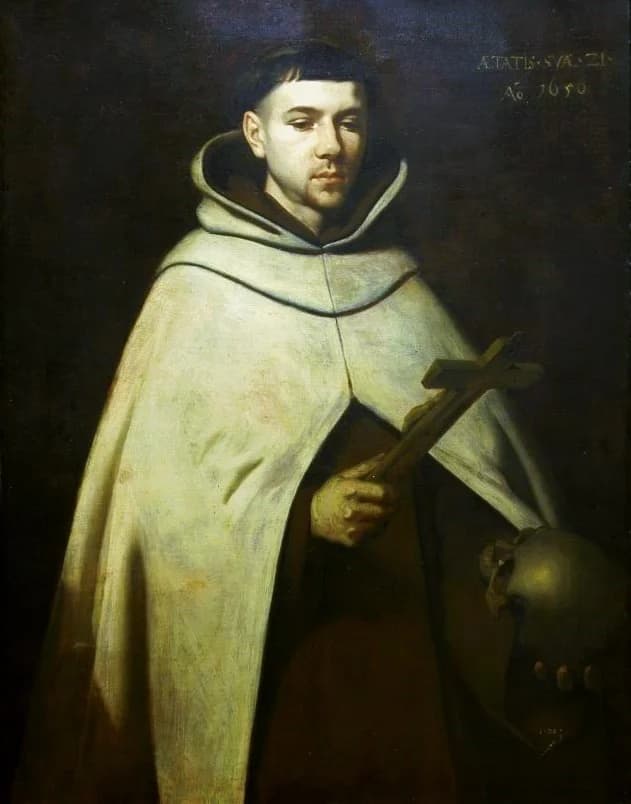
St. John of the Cross
John of the Cross was a Carmelite priest who worked with Teresa of Ávila in the reform that became the Discalced Carmelites. Born into a poor family, he studied at Medina del Campo and Salamanca. The reform brought serious conflict, including imprisonment by members of his own religious family.
Before entering Carmel he combined schooling with work, including service in a hospital. Meeting Teresa in 1567 redirected his hopes toward reform within the order. The small reformed community at Duruelo began the men's branch of a movement that sought a more concentrated life of prayer and simplicity.
His poetry and prose describe the purification of desire and the soul's movement toward union with God. Major works include The Ascent of Mount Carmel, The Dark Night, The Spiritual Canticle, and The Living Flame of Love. His teaching should not be reduced to praise of suffering for its own sake: its aim is freedom for divine love. He became a Doctor of the Church in 1926.
His imprisonment at Toledo in 1577–1578 became an important setting for his poetry, but his writings also grew from years of teaching and spiritual direction. The dark night names a process in which attachment and limited understanding are transformed; it is not a label that explains every painful experience or replaces appropriate help.
After escaping from Toledo in 1578, John undertook responsibilities in several reformed Carmelite communities. He served at El Calvario, became rector of the college at Baeza, and was repeatedly elected prior at Granada. Later assignments included leadership in Andalusia and work at Segovia. The poet of contemplative prayer was therefore also a teacher and administrator involved in establishing houses, forming members, and sustaining a young religious reform.
Much of his writing grew from requests by the friars and nuns he guided. The poems were accompanied by extended explanations intended to help readers understand the spiritual journey they described. Shorter counsels and letters also survive alongside the major works. He died at Ubeda in 1591; his remains were subsequently taken to Segovia. His legacy joins an exceptional Spanish literary voice to a sustained ministry of spiritual formation.
This saint is included on this recurring date in the U.S. Roman Rite calendar published by the USCCB. This reading guide gives U.S. calendar saints priority; the Mass celebrated on a particular year’s date can differ because of Sundays, seasons or higher-ranking celebrations.
Explore the biography & sources ↗