01 · Read · A life to discover
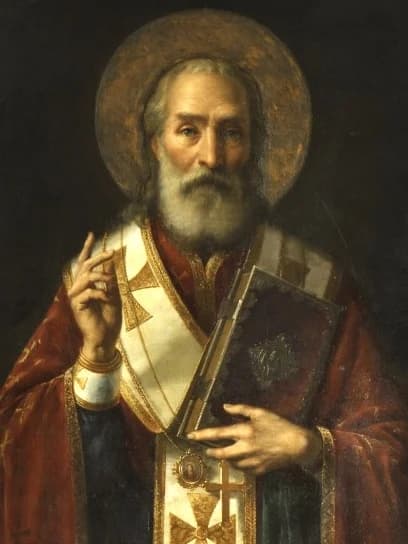
St. Nicholas of Myra
Nicholas was a bishop of Myra in Lycia whose veneration became exceptionally widespread. Firm contemporary details of his life are limited, while later stories describe generosity toward families in distress, protection of sailors, and intervention for people facing unjust punishment.
The stories repeatedly place his episcopal authority at the service of people without protection: families facing desperation, travelers at sea, and defendants in danger. These recurring themes explain the breadth of his patronage. They do not allow the historian to recover a complete sequence of independently dated events.
Those narratives shaped his reputation as a compassionate bishop and eventually influenced customs of giving gifts to children. Claims about particular episodes, including events assigned to the Council of Nicaea, require caution because the evidence is late. His relics and shrines became major centers of devotion. Both Eastern and Western churches celebrate him on December 6, not December 5.
A church at Constantinople already honored him in the sixth century, and the later translation of relics to Bari strengthened Western devotion. Gift customs are one branch of this much wider religious history. The bishop remembered in Christian worship should therefore be distinguished from the later secular character of Santa Claus, even while acknowledging the connection.
This saint is included on this recurring date in the U.S. Roman Rite calendar published by the USCCB. This reading guide gives U.S. calendar saints priority; the Mass celebrated on a particular year’s date can differ because of Sundays, seasons or higher-ranking celebrations.
Explore the biography & sources ↗