01 · Read · A life to discover
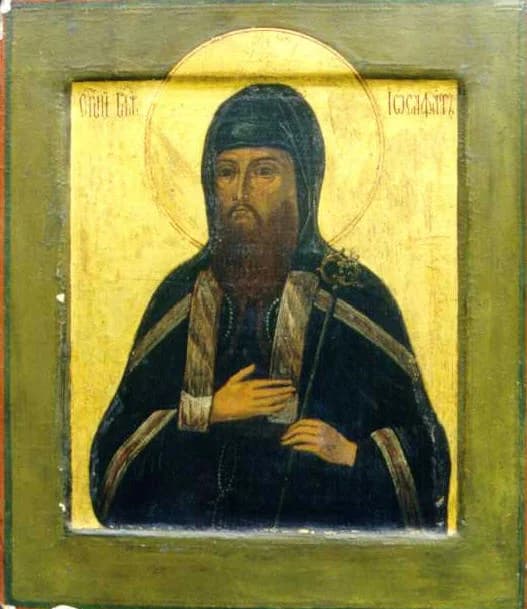
St. Josaphat Kuntsevych
Josaphat Kuntsevych entered a Basilian monastery and became a priest and later archbishop of Polotsk. He supported the Union of Brest, through which some Ruthenian bishops entered communion with Rome while retaining Byzantine worship and traditions. His ministry combined ascetic practice, preaching, and efforts to reform church life.
Born John Kuntsevych, he had begun preparing for a commercial life before entering a monastery in 1604. His later religious name marked a different vocation. Priesthood followed in 1609; episcopal responsibility placed an ascetic and confessor at the center of disputes that extended far beyond his monastery.
The union was deeply contested, and rival ecclesiastical jurisdictions intensified religious and political conflict. Josaphat was killed by a crowd at Vitebsk in 1623. Catholic tradition honors him as a martyr for unity, while a responsible account should acknowledge that the disputes surrounding his work were complex and bitter. His life cannot be reduced to a claim that all Eastern Christians accepted the union.
The Union of Brest did not require Byzantine Christians to replace their worship with the Latin rite. That distinction is essential to understanding his position. Support for communion with Rome and fidelity to Eastern liturgical inheritance were connected in his work, even while opponents contested both his authority and his understanding of ecclesial unity.
This saint is included on this recurring date in the U.S. Roman Rite calendar published by the USCCB. This reading guide gives U.S. calendar saints priority; the Mass celebrated on a particular year’s date can differ because of Sundays, seasons or higher-ranking celebrations.
Explore the biography & sources ↗