01 · Read · A life to discover
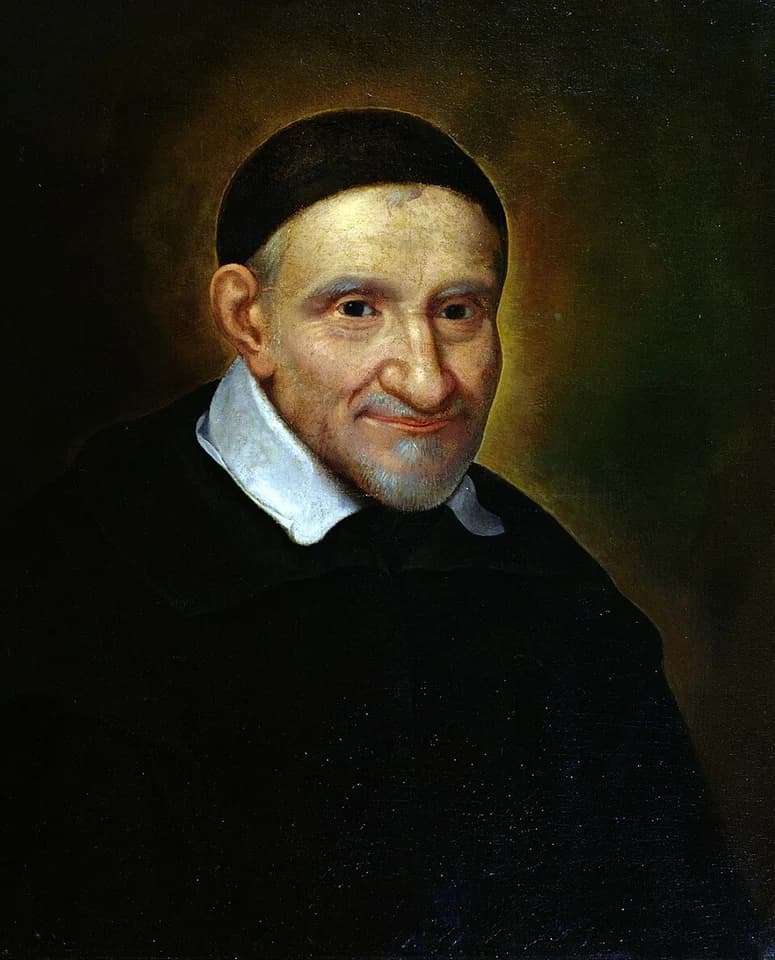
St. Vincent de Paul
Vincent de Paul was a French priest whose ministry came to center on people facing poverty, displacement, and exclusion. After service in wealthy households, he organized missionary and charitable work for those whose needs were frequently overlooked. He founded the Congregation of the Mission in Paris in 1625.
His service with the Gondi household brought him into contact with people whose religious and material needs differed sharply from those of the wealthy. Preaching missions became one response. The priests gathered around him aimed to make the Gospel accessible to communities that lacked sustained pastoral attention.
His work required more than an initial act of generosity. Companions, benefactors, and organized communities made care dependable over time. That emphasis on cooperation explains why his legacy survives in institutions of service as well as in stories of personal kindness toward individuals.
The charitable confraternities founded in 1617 gave laypeople a shared structure for helping neighbors. In recalling that beginning, Pope Francis emphasized encounters with a person needing mercy and a family lacking basic necessities. Vincent’s response developed from particular human situations into continuing arrangements for care. This helps explain why organization belongs to the substance of his charity rather than merely its administration.
Formation of priests was another part of the same concern. He wanted preaching to be understandable and supported by the preacher’s own conduct, so religious instruction would actually reach those who needed it. His partnership with Louise de Marillac also made women’s insight and service central to the work. Together these commitments show a broad pastoral vision: people facing poverty needed practical assistance, a place in the Church, and ministers prepared to serve them well.
Collaboration was essential to his work. With Louise de Marillac he helped establish the Daughters of Charity, joining religious formation with practical service. His communities ministered to poor people, war victims, and galley prisoners. His legacy lies in making compassion organized and sustained, linking prayer and preaching with dependable assistance.
This saint is included on this recurring date in the U.S. Roman Rite calendar published by the USCCB. This reading guide gives U.S. calendar saints priority; the Mass celebrated on a particular year’s date can differ because of Sundays, seasons or higher-ranking celebrations.
Explore the biography & sources ↗