01 · Read · A life to discover
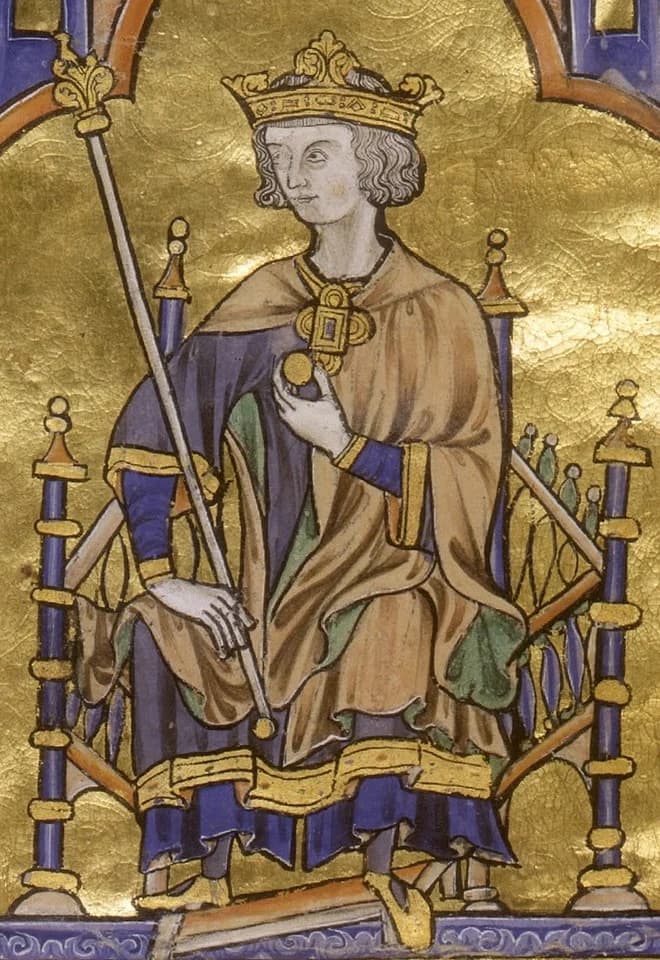
St. Louis IX of France
Louis IX became king of France as a child, with his mother Blanche of Castile governing during his minority. He married Marguerite of Provence and had eleven children. His reign combined religious devotion with royal administration, support for hospitals, and major building projects, including the Sainte-Chapelle in Paris.
Blanche's influence continued after his minority, showing how family relationships and government were intertwined. Royal justice, diplomacy, and patronage occupied much of his reign. The Sainte-Chapelle connected royal prestige with the veneration of relics, becoming a lasting architectural expression of medieval French monarchy.
Louis also led two crusades, and his life belongs within the conflicts and assumptions of medieval kingship. He died near Tunis during the second expedition in 1270. His instructions to his children and contemporary accounts describe concern for justice, prayer, and poor people. Pope Boniface VIII canonized him in 1297; his feast falls on August 25.
The crusades brought captivity, loss, and ultimately death rather than an uninterrupted record of victory. His religious reputation must therefore be considered alongside the use of royal power in religious conflict. Canonization did not turn every policy of a thirteenth-century king into a model for modern government or relations between religious communities.
This saint is included on this recurring date in the U.S. Roman Rite calendar published by the USCCB. This reading guide gives U.S. calendar saints priority; the Mass celebrated on a particular year’s date can differ because of Sundays, seasons or higher-ranking celebrations.
Explore the biography & sources ↗