01 · Read · A life to discover
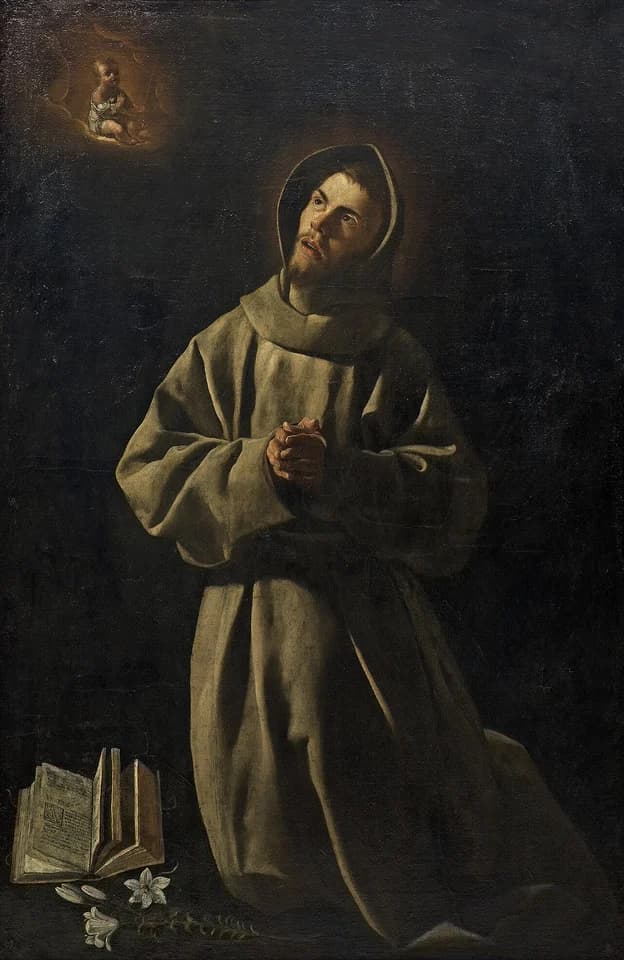
St. Anthony of Padua
Anthony of Padua was a Portuguese Franciscan preacher, teacher, and biblical scholar whose ministry extended through Italy and France. Born Fernando in Lisbon around 1195, he first became an Augustinian canon. His later fame as a saint associated with lost objects should not obscure his substantial work in preaching and theology.
At Lisbon and Coimbra he studied Scripture and earlier Christian writers. The arrival of the remains of Franciscan missionaries killed in Morocco inspired a change of vocation in 1220. He joined the Friars Minor and took the name Anthony. Illness interrupted his own journey to Morocco, and he eventually reached Italy, where his gifts found a different field of service.
He taught theology with Francis’s approval and served as a provincial superior while continuing to preach. His surviving sermon collections explain biblical passages and connect interpretation with prayer and moral conduct. Pius XII declared him a Doctor of the Church in 1946, recognizing a legacy grounded in these writings as well as in his reputation for holiness.
Anthony’s preaching also addressed the economic pressures of growing towns. Franciscan accounts emphasize his opposition to exploitation and usury, connecting attachment to wealth with the harm done to vulnerable neighbors. The famous story about a moneylender’s heart being found in his treasure belongs to miracle tradition; its meaning concerns misplaced love rather than a documented medical event.
His final Lenten ministry at Padua in 1231 combined public preaching with long hours hearing confessions. The Franciscan shrine’s account describes crowds too large for church buildings and the exhaustion that accompanied his work. These accounts convey the extraordinary popular response without requiring every reported crowd figure to be treated as a precise count.
Failing health led him to withdraw near Padua, and he died at Arcella on June 13, 1231, before completing his return to the city. Gregory IX canonized him the following year. Devotion to Anthony subsequently spread widely, with prayers, charitable gifts, and religious art keeping his memory alive alongside the continuing study of his sermons.
This saint is included on this recurring date in the U.S. Roman Rite calendar published by the USCCB. This reading guide gives U.S. calendar saints priority; the Mass celebrated on a particular year’s date can differ because of Sundays, seasons or higher-ranking celebrations.
Explore the biography & sources ↗