01 · Read · A life to discover
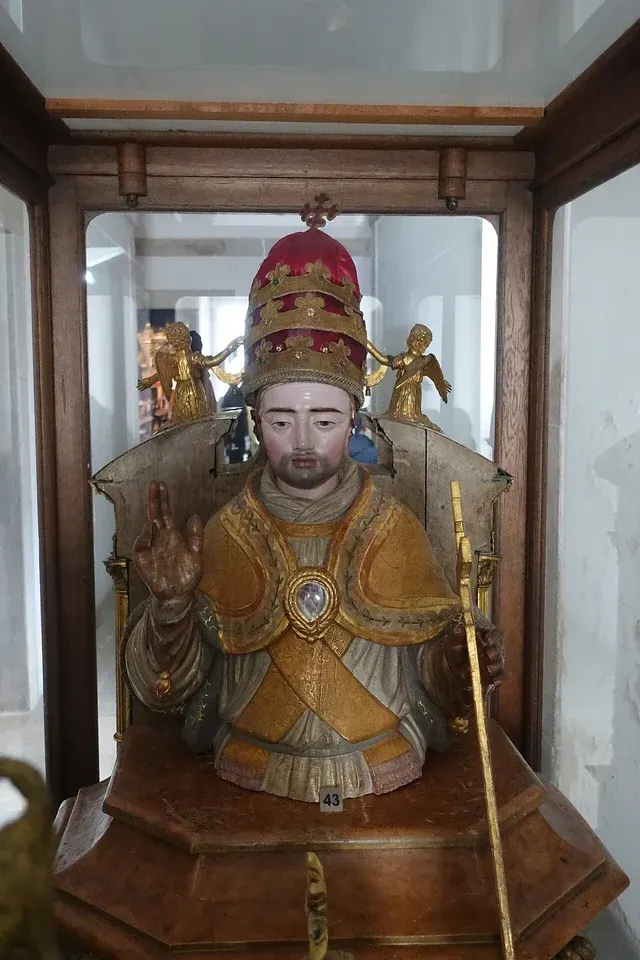
St. John I
John I became bishop of Rome in 523, during the rule of the Ostrogothic king Theodoric. Tensions between Arian and Nicene Christians were intertwined with relations between Italy and the Eastern Roman Empire. Theodoric compelled John to lead an embassy to Emperor Justin in Constantinople concerning the treatment of Arians.
The embassy put John in a difficult position: he was sent by an Arian king to negotiate with an emperor who upheld the Nicene faith. The king wanted restrictions on Arians relaxed, while the pope could not endorse abandoning Catholic belief. Religious policy was also a contest over political loyalty between Rome, Ravenna, and Constantinople.
John received an impressive welcome in the East, but the mission did not satisfy Theodoric. On returning to Italy, he was imprisoned at Ravenna and died in 526. He is venerated as a martyr. Little reliable evidence survives about the ordinary administration of his pontificate, and letters formerly attributed to him are not regarded as authentic.
His remains were eventually brought to Rome and buried at Saint Peter's. The surviving accounts illuminate this final diplomatic journey much more clearly than his earlier life. His martyrdom is remembered in connection with the imprisonment that ended his pontificate, not a well-documented public trial or execution.
This saint is included on this recurring date in the U.S. Roman Rite calendar published by the USCCB. This reading guide gives U.S. calendar saints priority; the Mass celebrated on a particular year’s date can differ because of Sundays, seasons or higher-ranking celebrations.
Explore the biography & sources ↗