01 · Read · A life to discover
St. Marcellinus, Pope
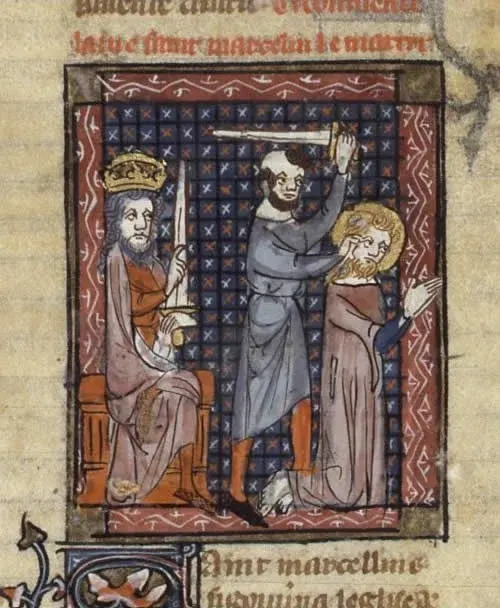
Marcellinus was bishop of Rome from 296 until 304, spanning the beginning of the persecution under Diocletian. The destruction of churches and pressure on Christians made this a dangerous period, but the surviving evidence does not provide a reliable narrative of his final actions or death.
A surviving inscription associates his pontificate with the creation of burial chambers in the cemetery of Callistus. Such evidence offers a small but concrete glimpse of ordinary church administration before confiscation and persecution disrupted the community. It is more secure than elaborate reconstructions of a final confrontation with imperial officials.
Later stories accused him of sacrificing to pagan gods and then repenting; other traditions presented a martyrdom. The Catholic Encyclopedia discusses the late and disputed character of this evidence rather than treating the stories as secure history. His burial and later veneration belong to Roman Christian memory. He must not be confused with Flavius Marcellinus, the imperial official commemorated on April 6.
The contrast between later accusations and later defenses is itself part of the history of his memory. Neither side can substitute for missing contemporary evidence. His name also resembles that of his successor Marcellus, another reason to separate persons and sources carefully when describing the Roman Church at the beginning of the fourth century.
Traditional papal commemoration; April 6 belongs to Flavius Marcellinus, a different person.
Explore the biography & sources ↗