01 · Read · A life to discover
St. Patrick
Patrick's own Confession describes his capture in Britain as a teenager and enslavement in Ireland. During those years he developed a deep life of prayer. After escaping and returning home, he eventually went back to Ireland as a bishop and missionary.
Patrick understood his return as a response to a call from the people among whom he had once been enslaved. His account of that vocation includes dreams, difficult decisions, and an awareness that his education had been interrupted. It is unusually personal evidence for an early missionary.
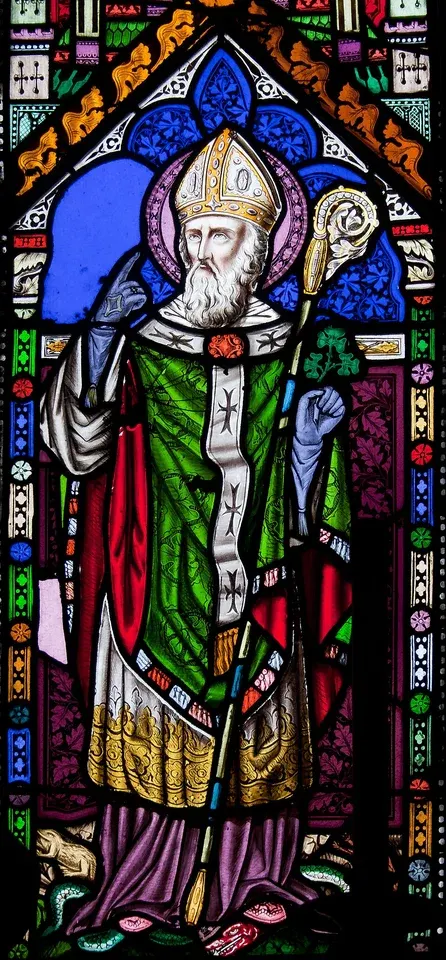
The familiar shamrock imagery belongs to a much later strand of his reception. Keeping that distinction allows readers to appreciate both the historical Patrick's testimony and the symbols through which later generations remembered Ireland's Christian heritage.
The Confession begins with an acknowledgment of limitations rather than a list of accomplishments. Patrick identifies himself as the son of a deacon and grandson of a priest, yet describes his own youthful faith as undeveloped. Captivity became, in his telling, the place where prayer and awareness of God changed his life. The text is both personal testimony and an explanation of why he believes he was called to serve.
His account also remembers the affection of the family who welcomed him home and begged him not to leave again. Returning to Ireland therefore meant a costly separation, not simply an adventurous journey. Readers encounter a missionary who feels vulnerable, dependent on grace, and responsible for the people he has baptized. That direct voice makes his writings valuable even where they leave modern questions about dates and locations unanswered.
His writings also reveal the difficulties of his ministry, his defense of his vocation, and his concern for Christians subjected to violence and enslavement. They offer a stronger historical foundation than later stories about shamrocks or the expulsion of snakes. His precise chronology remains debated, but his role in Irish Christian history is fundamental. The Church celebrates him as Ireland's patron on March 17.
This saint is included on this recurring date in the U.S. Roman Rite calendar published by the USCCB. This reading guide gives U.S. calendar saints priority; the Mass celebrated on a particular year’s date can differ because of Sundays, seasons or higher-ranking celebrations.
Explore the biography & sources ↗