01 · Read · A life to discover
St. Peter the Apostle
Peter, originally called Simon, was a fisherman whom Jesus called to discipleship with his brother Andrew. The Gospels place him at important moments in Jesus’ ministry, including the confession of Jesus as Messiah and the Transfiguration. They also preserve his failure: he denied knowing Jesus during the events leading to the Crucifixion.
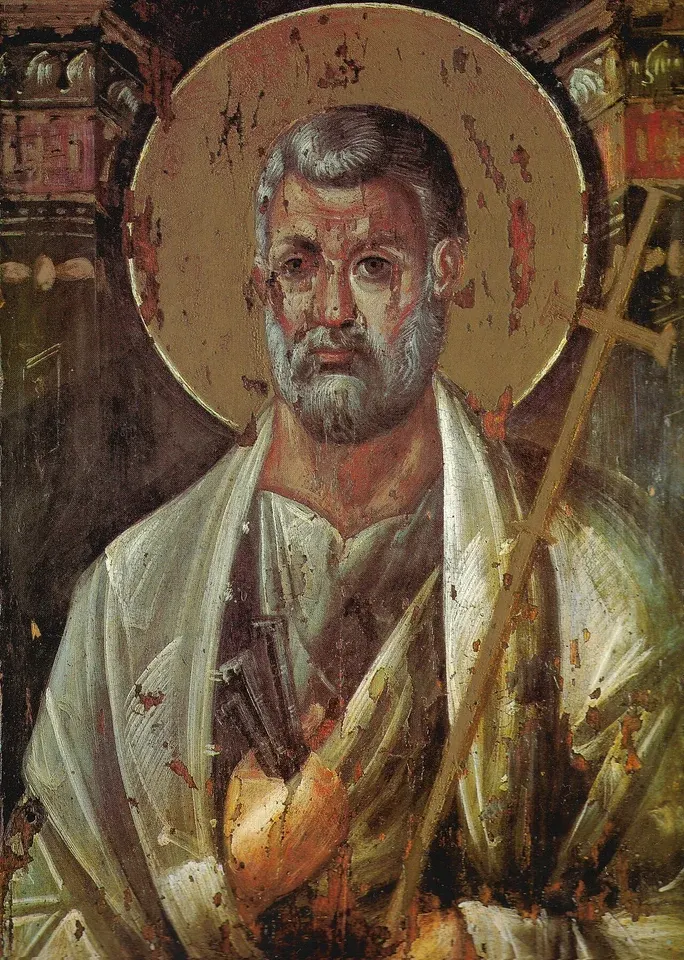
The change from Simon to Peter is connected with his commission in Matthew 16, where the image of the keys expresses responsibility within the community. This is why keys became his familiar identifying symbol in Christian art and why Catholic tradition associates him with the foundations of the papacy.
His portrayal is not one of effortless certainty. Questions, misunderstanding, loyalty, and repentance all appear in the Gospel narratives. Read together, they explain a leadership grounded in an encounter with mercy rather than an account that conceals personal failure.
His calling took place within a working household. The Gospels associate him with Bethsaida, with fishing on the Sea of Galilee, and with a home at Capernaum where Jesus healed his mother-in-law. These details situate him as a married Jewish man with family and livelihood, not as someone whose life began only when he became an apostle. Discipleship changed the direction of an already established life.
Benedict XVI’s reflection on Peter emphasizes the mixture of determination and fear in his character. The same disciple who speaks boldly must learn that Jesus’ mission cannot be controlled by his own expectations. His importance for Christian readers includes that process of learning: faithfulness grows through correction and repentance. The Gospel portrait leaves his weaknesses visible alongside his distinctive responsibility, allowing his story to speak to people conscious of their own failures.
After the Resurrection, John’s Gospel describes Jesus entrusting Peter with care for his followers. Acts presents him as a prominent witness in the early Church. Christian tradition associates his final ministry and martyrdom with Rome. His shared feast with Paul on June 29 recalls two distinct lives that helped shape the Church’s beginnings.
This saint is included on this recurring date in the U.S. Roman Rite calendar published by the USCCB. This reading guide gives U.S. calendar saints priority; the Mass celebrated on a particular year’s date can differ because of Sundays, seasons or higher-ranking celebrations.
Explore the biography & sources ↗