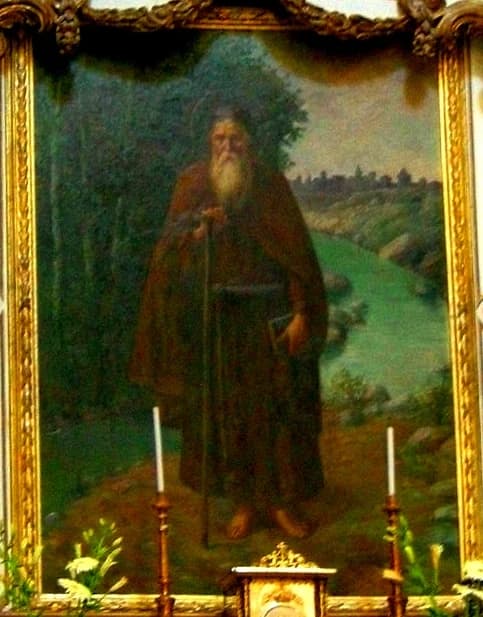
01 · Read · A life to discover
St. Conrad of Piacenza
Conrad was a married layman from Piacenza who became a Franciscan penitent and hermit. His traditional conversion story centers on a hunting fire that devastated surrounding land. When an innocent man was blamed, Conrad acknowledged responsibility and surrendered his property to meet the damage. The account explains his subsequent embrace of poverty.
The fire reportedly began when Conrad ordered brushwood burned to drive out game. His confession prevented an innocent person’s execution. The story links his penitence to accepting responsibility and making material restitution, rather than escaping the consequences.
After an initial hermitage near Piacenza, he traveled through Rome to Sicily. Noto became the lasting center of his veneration. Leo X permitted its observance in 1515, and the permission was subsequently extended to the Franciscan order. These stages explain how a local hermit acquired wider recognition.
His wife entered a Poor Clare community, while Conrad eventually settled near Noto in Sicily and lived an austere life of prayer. Reports of holiness and healing encouraged a lasting local devotion after his death in 1351. His cult received papal permission rather than a modern formal canonization ceremony. The Franciscan commemoration is February 19.
Franciscan and local commemoration.
Explore the biography & sources ↗