01 · Read · A life to discover
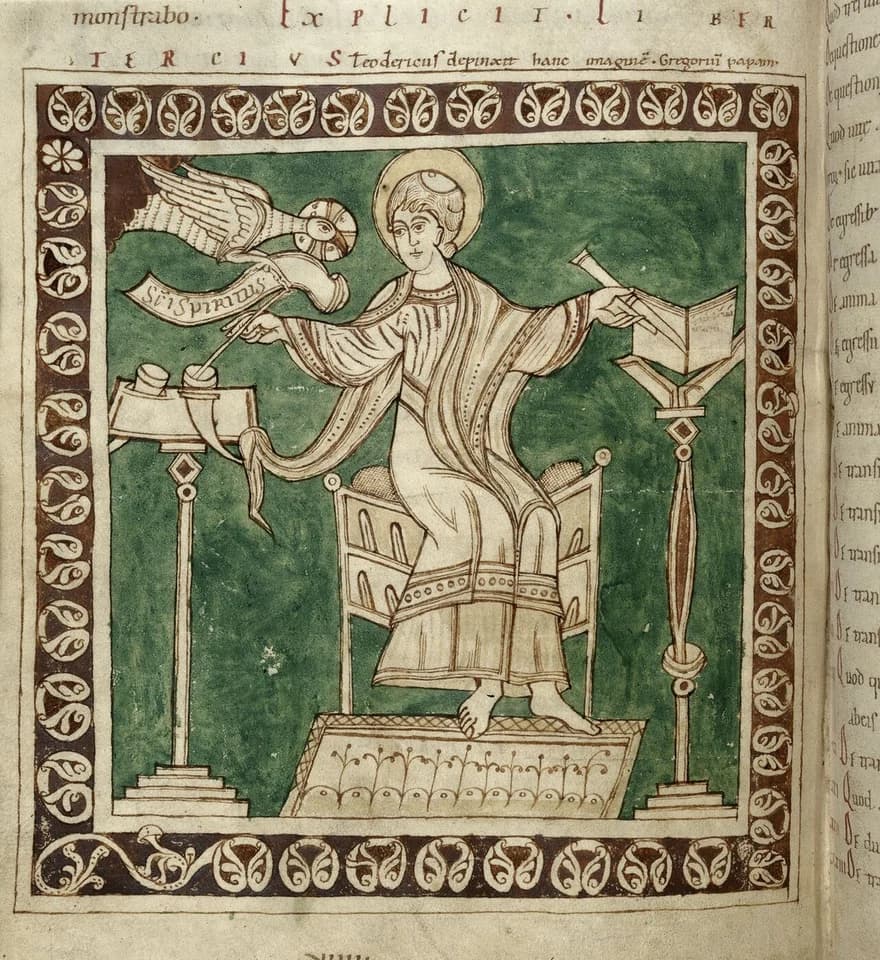
St. Gregory the Great
Gregory the Great was a former Roman administrator and monk who became pope in 590. His leadership combined literary and spiritual influence with practical responses to hunger, disease, and political insecurity.
Born into a prominent family, he received an education suitable for civic office. He later turned family property into a monastery and embraced monastic life. Church responsibilities interrupted that solitude, including service as a representative in Constantinople.
As pope, he organized assistance in a city strained by flooding, damaged food supplies, refugees, and epidemic disease. He also negotiated amid conflict in Italy. These duties gave concrete expression to his conviction that church resources carried obligations toward people in need.
He sent Augustine and companions to England, an undertaking with lasting consequences for English Christianity. His Pastoral Rule and biblical commentaries shaped medieval teaching about religious leadership and prayer. Honored as a Doctor of the Church, he should not simply be credited personally with every chant later called Gregorian. His enduring achievement lies in the combination of pastoral writing, missionary initiative, and administration exercised during crisis.
This saint is included on this recurring date in the U.S. Roman Rite calendar published by the USCCB. This reading guide gives U.S. calendar saints priority; the Mass celebrated on a particular year’s date can differ because of Sundays, seasons or higher-ranking celebrations.
Explore the biography & sources ↗