01 · Read · A life to discover
St. Sixtus II
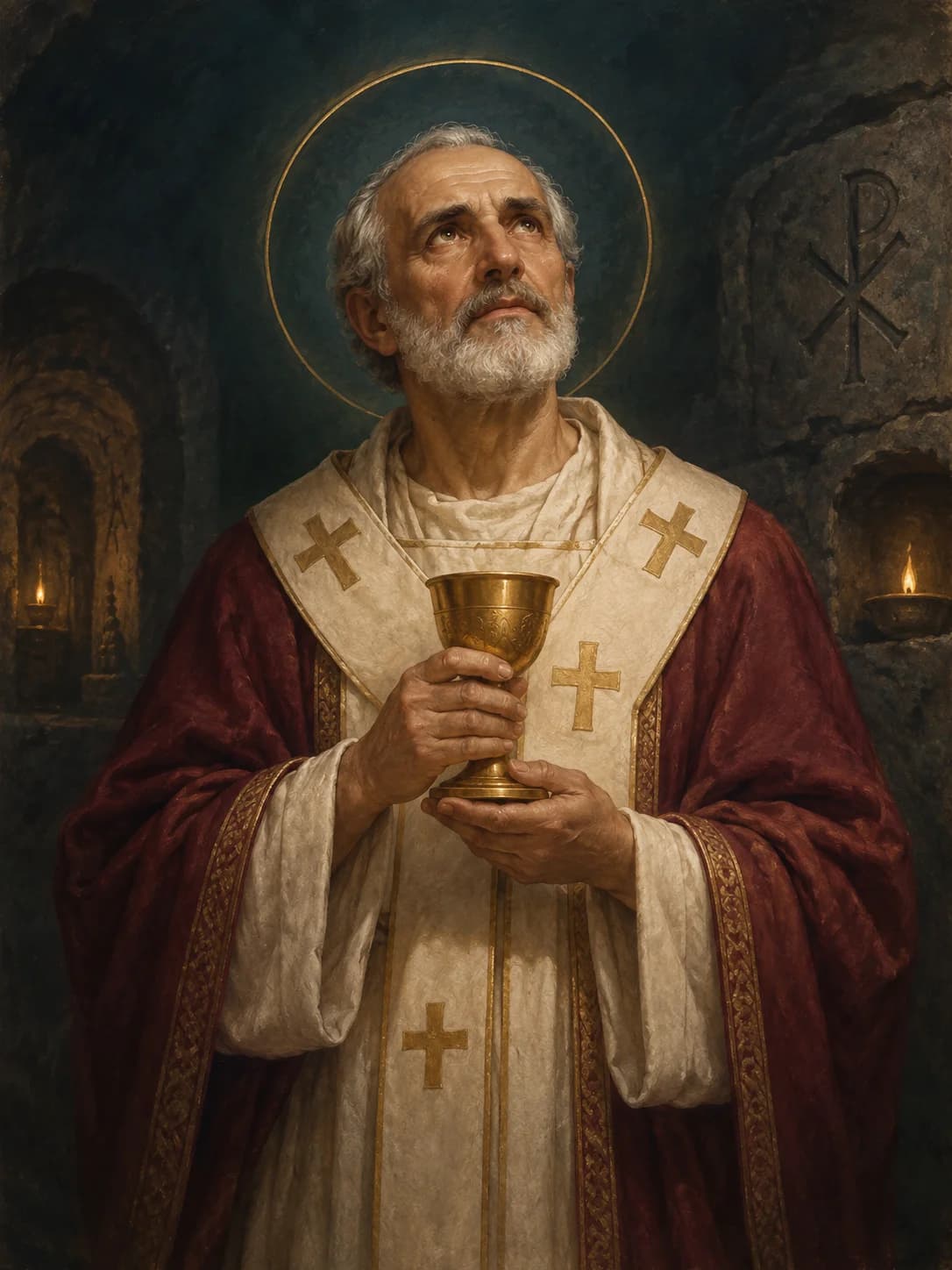
Sixtus II became bishop of Rome in 257, during a period of persecution and disagreement among Christian churches. He helped restore relations strained by disputes over the treatment of baptism administered outside the Church. His short pontificate ended when Emperor Valerian intensified persecution against Christian clergy.
The baptism controversy concerned whether converts who had already been baptized in separated communities should be baptized again. Sixtus maintained Roman practice while working for peace with churches in Africa and Asia Minor. His conciliatory leadership was remembered even though he held office for less than a year.
Valerian’s renewed decree targeted bishops, priests, and deacons with immediate execution. Sixtus was seized while ministering at a cemetery, although accounts differ over the sequence of his trial and death. The persecution struck the community’s worship and leadership together, explaining his commemoration with the deacons who died beside him.
Sixtus was arrested and executed in August 258, together with deacons who served the Roman community. Cyprian’s correspondence provides early evidence for his death. Later attribution of a collection of philosophical sayings to him is mistaken. The current Roman calendar commemorates Sixtus and his companions on August 7, while older sources give August 6.
August 6 is Sixtus II’s martyrdom commemoration in the Roman Martyrology; his liturgical memorial is August 7.
Explore the biography & sources ↗