01 · Read · A life to discover
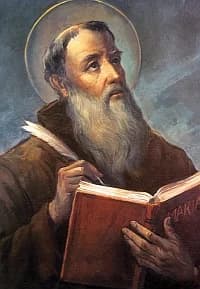
St. Lawrence of Brindisi
Lawrence of Brindisi entered the Capuchins as a young man and developed unusual proficiency in biblical and modern languages. As a priest, he taught theology and preached across Europe. His writings interpreted Scripture and defended Catholic doctrine in the disputes following the Reformation; his engagement with Jewish learning also served the conversionary aims of his period.
Born Julius Caesar Russo in 1559, he took the name Lawrence in religious life. Childhood contact with Franciscans preceded his entry into the Capuchins at Venice. His linguistic formation included Greek, Hebrew, and Syriac, enabling him to work closely with biblical texts as well as addressing audiences across national boundaries.
He held major responsibilities within the Capuchin order, including service as minister general, while undertaking diplomatic assignments. Prayer and the Eucharist remained central to his understanding of ministry despite this demanding public work. He died in 1619 and was later recognized as a Doctor of the Church. His lasting contribution lies especially in biblical preaching and the integration of scholarship with pastoral service.
His scholarly gifts were used within the Catholic renewal after Trent. He argued for Catholic teaching on disputed questions rather than practicing modern interfaith dialogue in its present form. Explaining that setting makes it possible to recognize his learning without attributing contemporary assumptions to his preaching or presenting confessional conflict as uncomplicated mutual agreement.
This saint is included on this recurring date in the U.S. Roman Rite calendar published by the USCCB. This reading guide gives U.S. calendar saints priority; the Mass celebrated on a particular year’s date can differ because of Sundays, seasons or higher-ranking celebrations.
Explore the biography & sources ↗