01 · Read · A life to discover
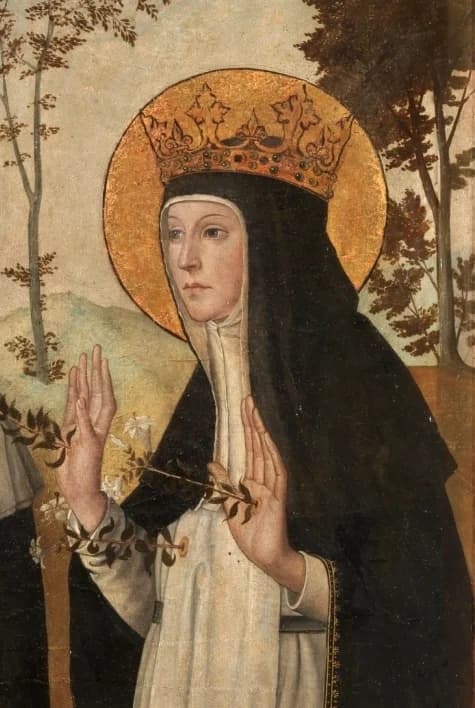
St. Margaret of Hungary
Margaret was the daughter of King Béla IV of Hungary and Queen Maria. Entrusted to a Dominican community as a child, she later lived in the convent established on an island in the Danube near Buda. Her religious profession made a personal commitment of the vocation her parents had envisioned.
Her parents' royal position gave her vocation a political significance she had not chosen. A convent on the Danube could be both a place of prayer and an institution connected to a ruling dynasty. By remaining after taking her own vows, Margaret made a commitment distinct from an arrangement made for her as a child.
Despite pressure for a politically useful marriage, she remained a Dominican nun. Accounts emphasize her refusal of royal privileges, her care for sick sisters, and her willingness to perform ordinary household tasks. Her spirituality included intense prayer and severe ascetic practices characteristic of her period. She died in 1270; the island associated with her monastery later became known by her name.
Accounts emphasize service within the convent over status at court: nursing and domestic work made the refusal of privilege concrete. The severe asceticism described in medieval sources belongs to that period's spirituality. Her veneration does not require treating every extreme practice as a suitable pattern for people today.
Explore the biography & sources ↗